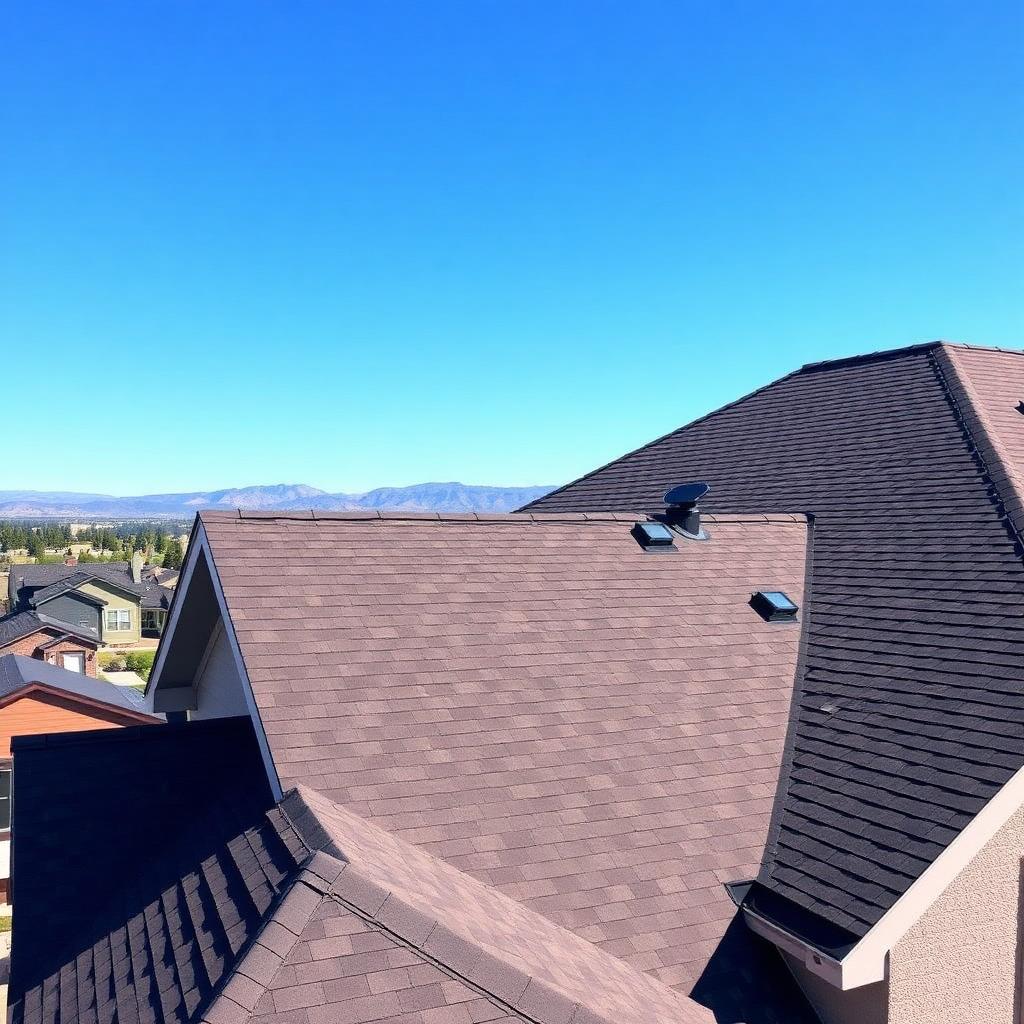
When homeowners think about roofing, they usually focus on shingles, leaks, hail damage, or replacement costs. But one of the most important parts of a healthy roof system is something many people do not see every day: ventilation.
For homes across the Colorado Front Range, proper roof ventilation helps protect the attic, reduce moisture issues, support energy efficiency, and extend the life of the roofing system. With hot sun, cold nights, snow, wind, and freeze-thaw cycles, Colorado homes need a roofing system that can breathe.
What does roof ventilation do?
Roof ventilation helps air move through the attic. Intake vents allow fresh air to enter, while exhaust vents allow warm, moist air to leave. When the system is balanced, the attic stays closer to the outdoor temperature and moisture has a better chance to escape.
Without proper airflow, heat and moisture can build up in the attic. Over time, that can affect insulation, roof decking, shingles, and indoor comfort.
Signs your roof may have poor ventilation
Roof ventilation issues are not always obvious from the outside. However, there are a few signs homeowners can watch for:
- Rooms that feel unusually hot in summer
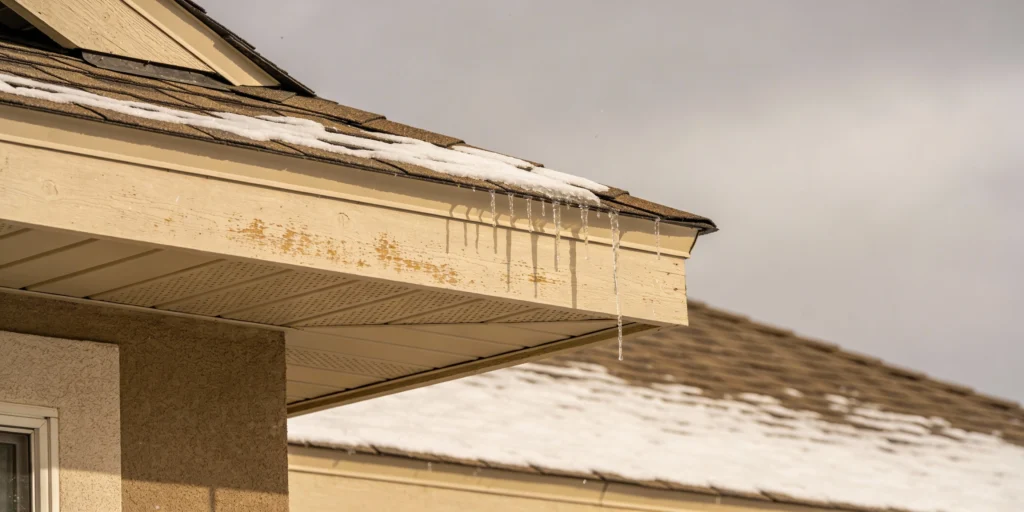
- Ice buildup near roof edges in winter
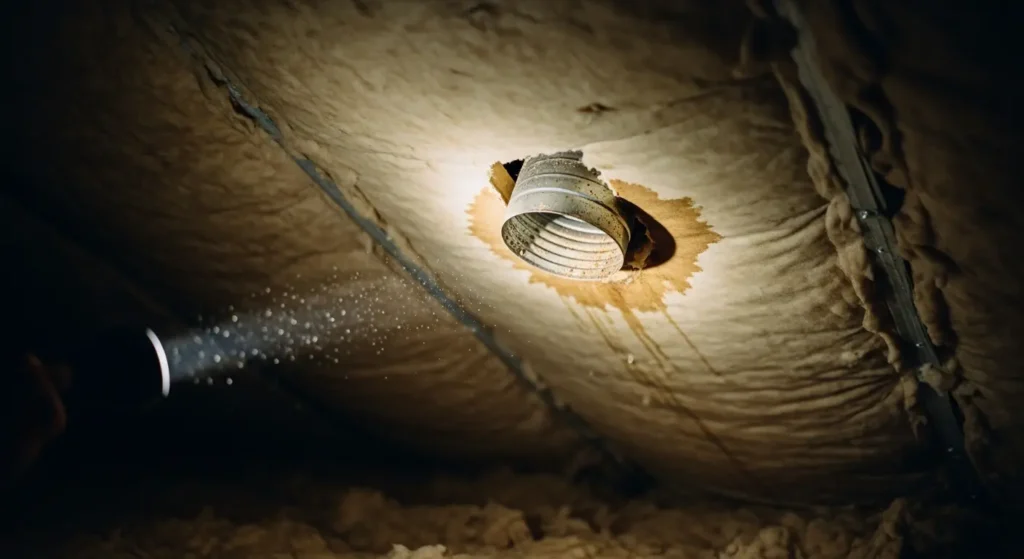
- Moisture, frost, or musty smells in the attic
- Uneven roof aging or premature shingle wear
- Higher energy bills without a clear reason
- Dark staining or damp insulation in attic spaces
If you notice several of these signs, it may be worth scheduling a roof inspection.
Why ventilation matters in Colorado
The Colorado Front Range brings strong sunlight, dry air, winter snow, and rapid temperature swings. These conditions can make attic performance more important. In summer, trapped attic heat can make the home harder to cool. In winter, warm indoor air rising into the attic can contribute to condensation or uneven snow melt on the roof.
Good ventilation helps reduce these risks. It supports a healthier roof system and helps your insulation work the way it should.
Ventilation and roof replacement
If you are planning a roof replacement, it is a smart time to review ventilation. New shingles alone may not solve airflow problems. A professional roofing contractor should look at intake, exhaust, attic conditions, and any areas where air may be blocked.
Addressing ventilation during a roofing project can help protect the new materials and improve long-term performance. It also helps prevent the same issues from returning after the roof has been replaced.
Do not overlook the attic
A roof inspection should not stop at the shingles. The attic can reveal moisture, airflow, and insulation concerns that are not visible from the ground. Checking the attic helps create a more complete picture of your roof's condition.
Ground Up Exteriors helps homeowners across the Colorado Front Range assess roofing concerns, including ventilation, storm damage, leaks, and roof replacement needs. If your roof is aging or your attic feels too hot, damp, or poorly ventilated, it may be time to get a professional opinion.
Final thoughts
Roof ventilation may not be the most visible part of your home, but it plays a big role in protecting your roof and attic. A well-ventilated roof system can help reduce moisture, support energy efficiency, and extend the life of your roofing materials.
If you are unsure whether your home has proper roof ventilation, Ground Up Exteriors can help inspect your roof and recommend the next best step.