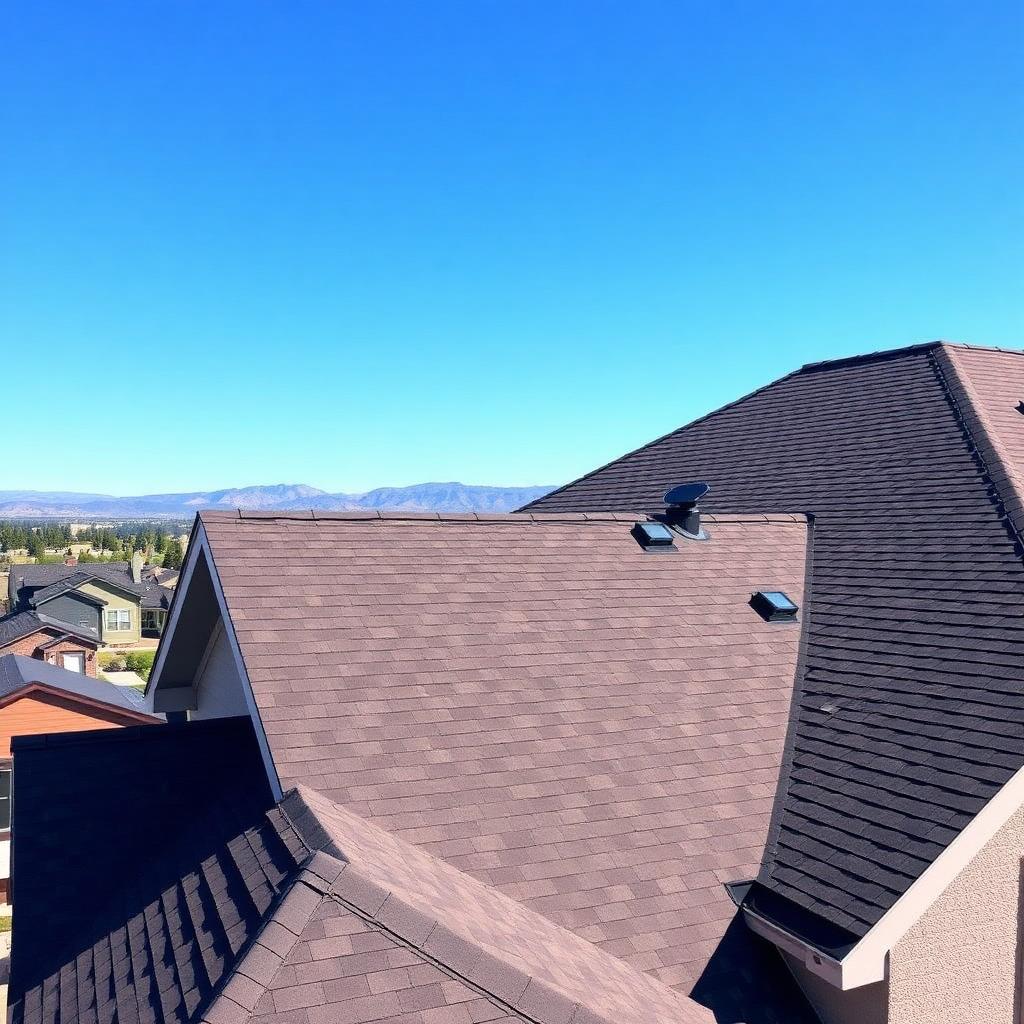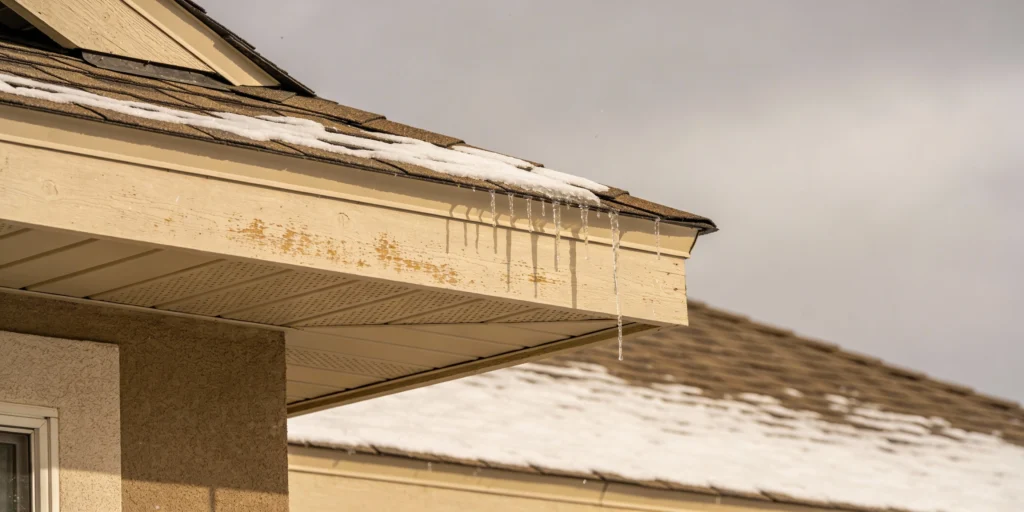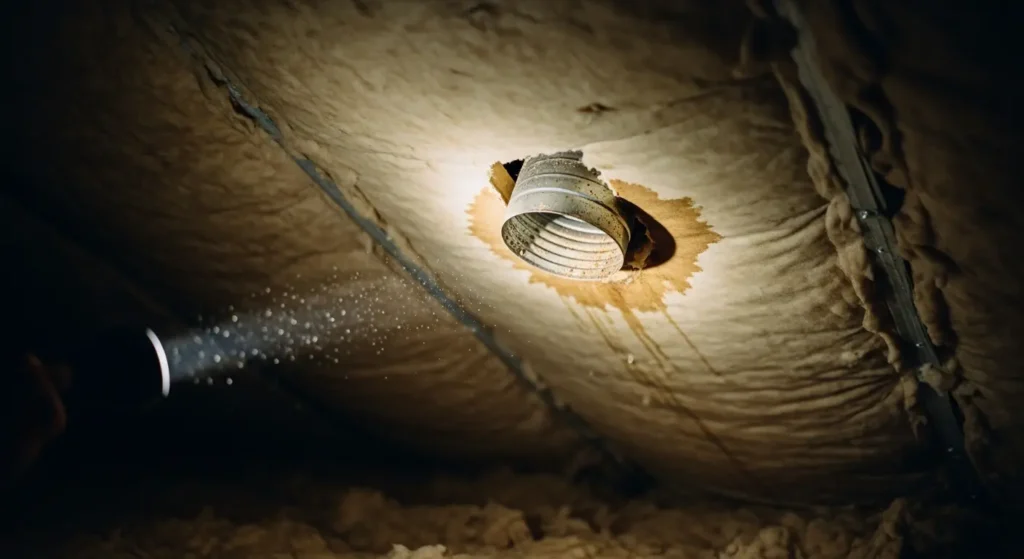

A storm can move through the Colorado Front Range quickly, leaving homeowners wondering whether their roof is still protecting the home the way it should. Strong wind, hail, heavy rain, and falling debris can all affect roofing materials, flashing, vents, and gutters.
The challenge is that storm damage is not always obvious from the ground. A roof may look mostly intact while still having areas that need attention. Knowing what to check after a storm can help you address small concerns before they lead to leaks, interior damage, or more expensive repairs.
Start with a safe ground-level walkaround
After a storm, begin by walking around your property without getting on the roof. Look for anything that appears different from before the storm, especially on the side that took the most wind or hail.
Check for:
- Shingles or roofing pieces in the yard
- Visible missing or lifted shingles
- Dented or damaged gutters and downspouts
- Loose flashing near roof edges or chimneys
- Tree branches resting on the roof
- Debris blocking gutter outlets
- Water pooling near the home after rainfall
Taking photos during this walkaround can be helpful. Even if you are not sure what you are looking at, pictures give a contractor a starting point when assessing the condition of your exterior.
Look inside for early leak warning signs
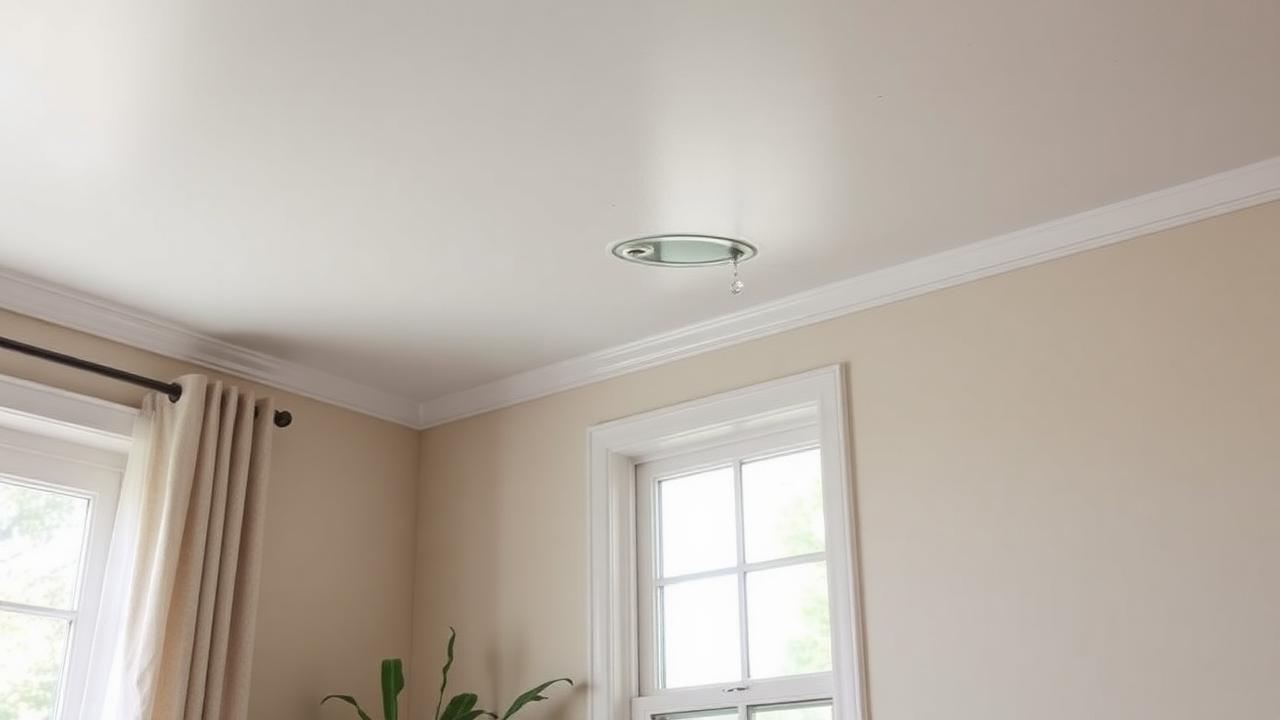
Roof issues often show up inside the home before they become visible from the driveway. After a major storm, check ceilings, upper walls, and attic spaces for signs of moisture.
Common warning signs include:
- New water stains on ceilings or drywall
- Damp insulation in the attic
- Musty odors upstairs
- Peeling paint near ceiling corners
- Dripping around vents or light fixtures
A small stain does not always mean you need a full roof replacement. It does mean water may be entering somewhere, and the cause should be identified before the next storm makes it worse.
Do not forget the gutters
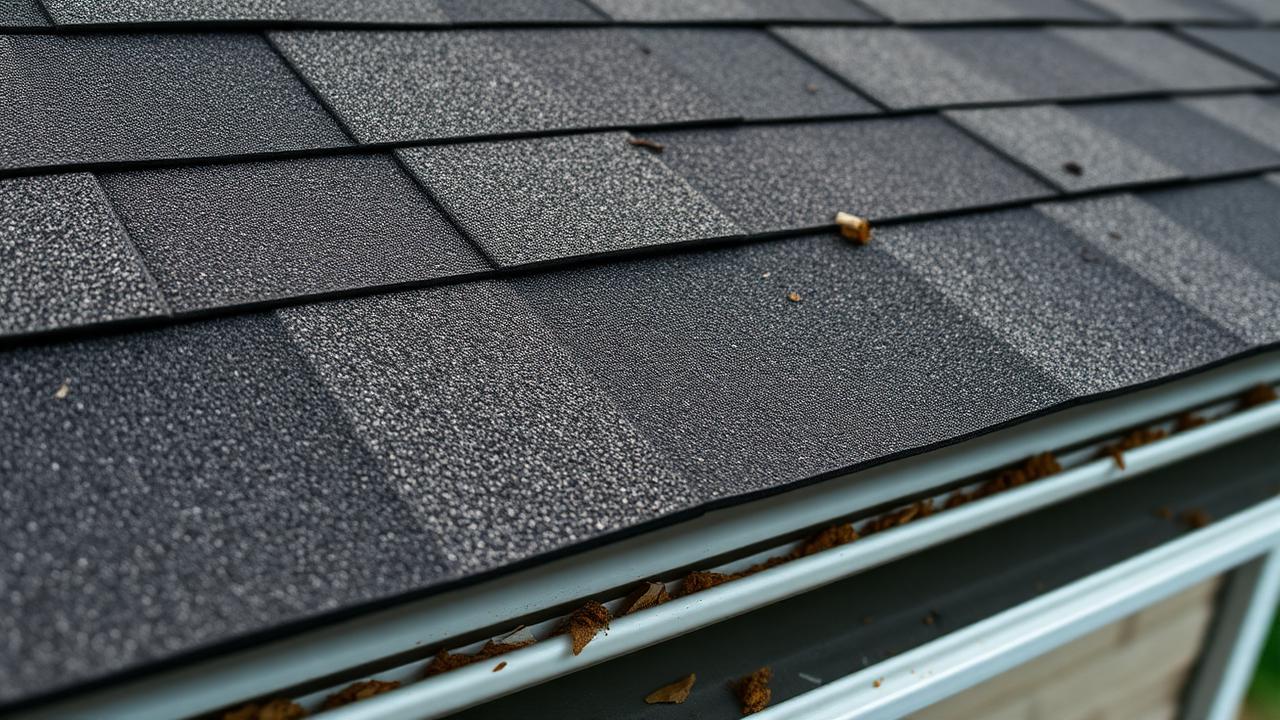
Your roofing system and gutter system work together. Gutters carry stormwater away from the roofline, siding, and foundation. After a storm, check whether gutters are sagging, overflowing, pulling away from the fascia, or clogged with leaves, twigs, and roofing granules.
If water cannot move through the gutters correctly, it may spill over the edge and create problems around landscaping, walkways, and the base of the home. Roofing inspections after a storm should include a look at gutters and drainage, not just the shingles overhead.
When should you schedule a roof inspection?
It is smart to schedule a professional roof inspection if you notice visible damage, interior moisture, gutter issues, or debris impact. You should also consider an inspection after a significant hail or wind event, even when no leak has appeared yet.
A professional inspection can help determine whether the issue calls for a simple repair, a closer monitoring plan, or a more extensive roofing solution. This gives you better information before making decisions about your home.
Why acting early matters
Small roof problems rarely improve on their own. A lifted shingle, compromised flashing detail, or clogged drainage point can allow water to reach areas that were never meant to stay wet. Over time, this may affect insulation, ceilings, exterior trim, and other parts of the home.
By checking your roof after storms and acting when something looks wrong, you can protect your home, reduce stress, and plan repairs on your schedule instead of during an emergency.
Schedule roofing help with Ground Up Exteriors
Ground Up Exteriors provides roof inspections, storm-related roof repair, and roof replacement services for homeowners throughout the Colorado Front Range. Our team can assess your roof, explain what we find, and help you understand the right next step for your property.
Need your roof checked after a recent storm? Contact Ground Up Exteriors to request an exterior assessment.