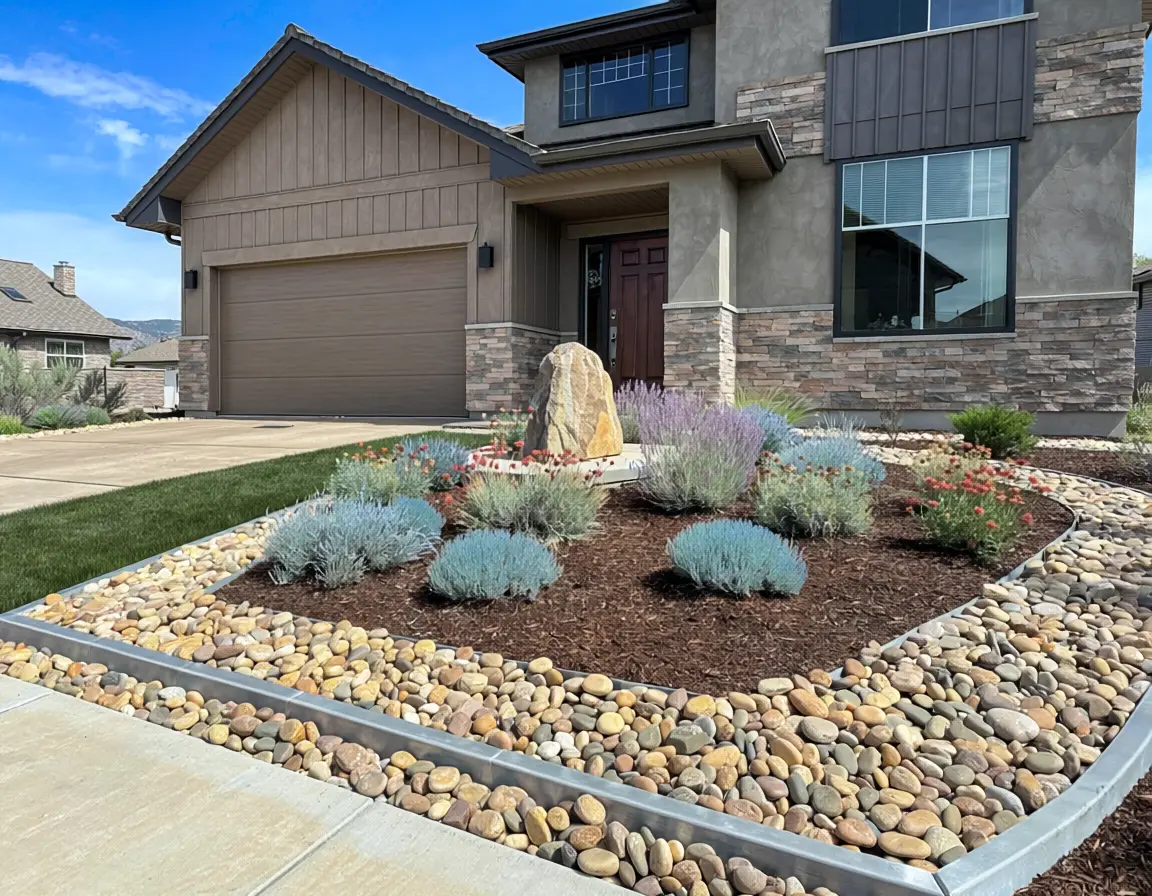
A beautiful landscape does not have to mean constant upkeep. In the Colorado Front Range, many homeowners and property managers want outdoor spaces that look clean and attractive without requiring nonstop watering, trimming, and repairs. The key is not just choosing the right plants — it is building a landscape plan that fits the local climate and the way the property is used.
Here are some smart ways to create a low-maintenance landscape that still delivers curb appeal and long-term value.
Start with a practical layout
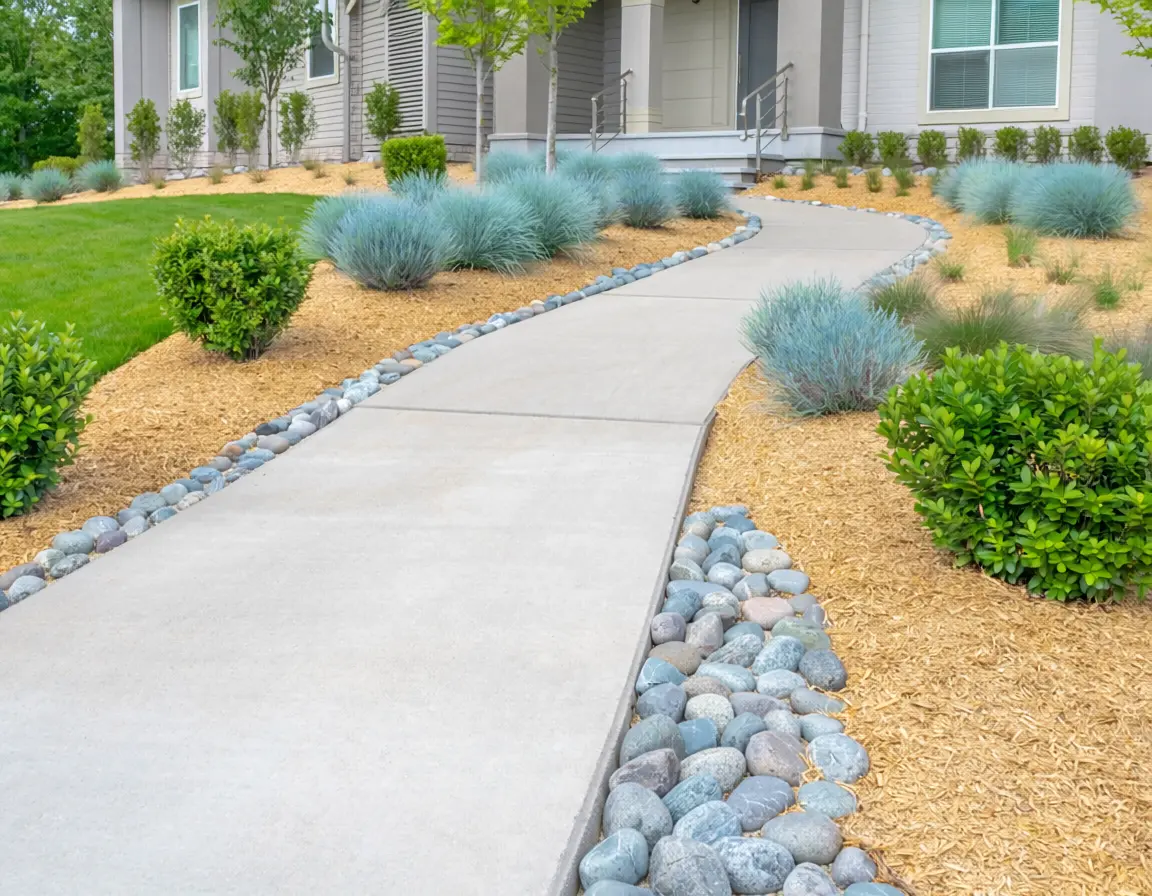
A good landscape starts with the right layout. If beds are too large, turf is in hard-to-water areas, or plantings are packed too tightly, maintenance goes up fast. A clean, well-planned design makes everything easier to manage.
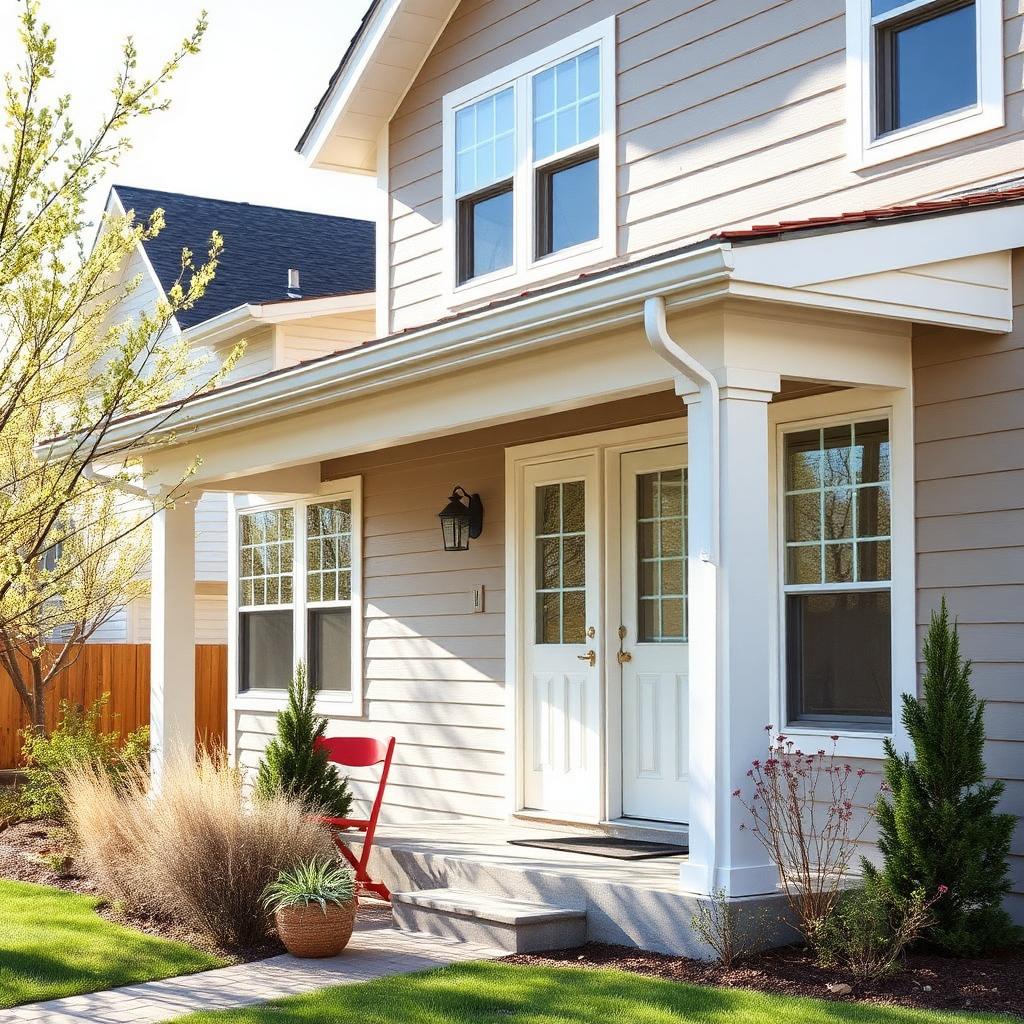
Think about how people use the space. Entry areas, walkways, and gathering spots should stay neat and visible. Less prominent zones can be designed with simpler materials and lower-maintenance plant choices.
Choose plants that fit the Colorado climate
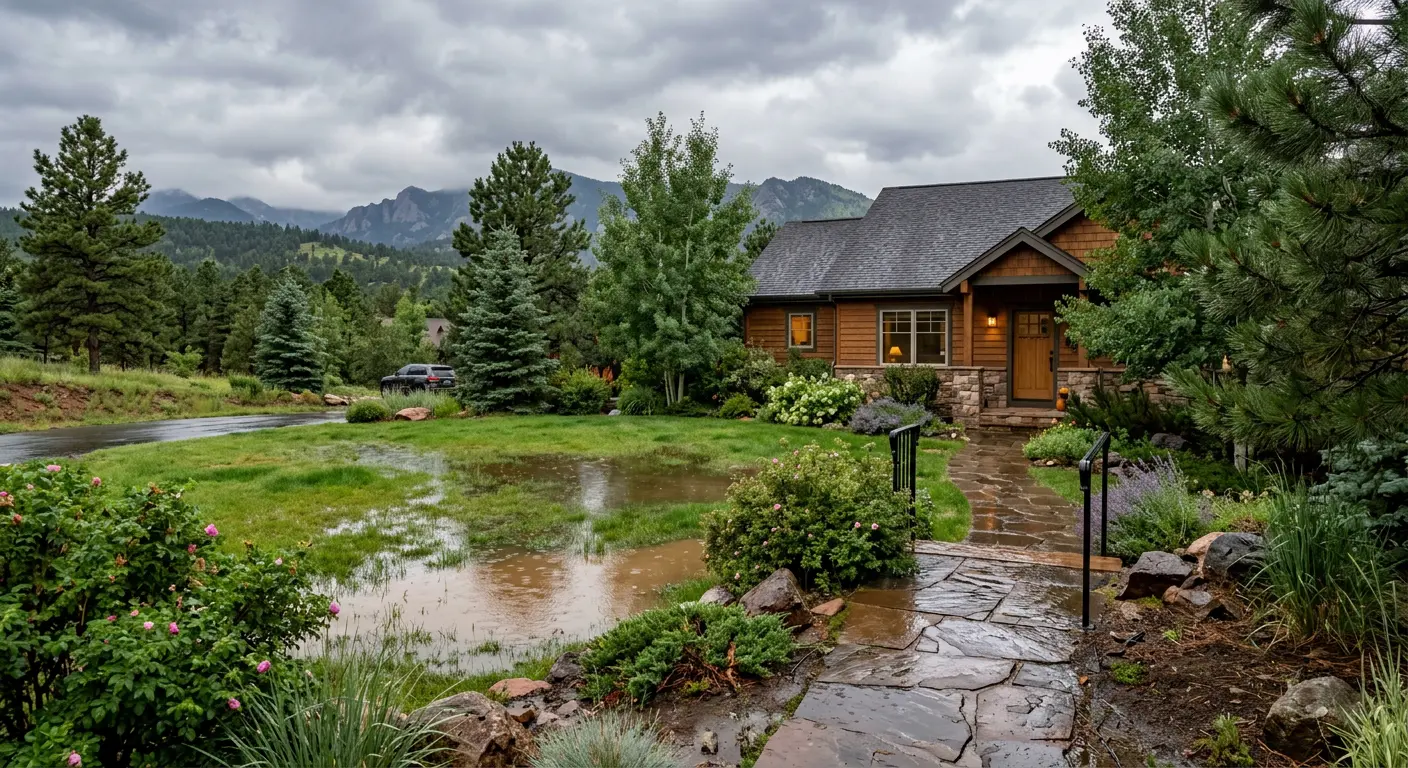
The Colorado Front Range has strong sun, dry spells, temperature swings, and occasional harsh weather. Plants that need constant watering or heavy pruning usually create more work than value.
A low-maintenance landscape often includes hardy shrubs, drought-tolerant perennials, and region-appropriate plant selections that can handle local conditions. Choosing the right plants from the start helps reduce replacements and ongoing care.
Reduce turf where it does not make sense
Turf can look great, but it is one of the most maintenance-heavy parts of a landscape. It needs mowing, edging, irrigation, and repair. If there are sections of lawn that struggle year after year or do not add much function, it may make sense to reduce them.
Replacing hard-to-manage turf with rock, mulch, planting beds, or more practical landscape elements can lower maintenance and improve appearance at the same time.
Make irrigation more efficient
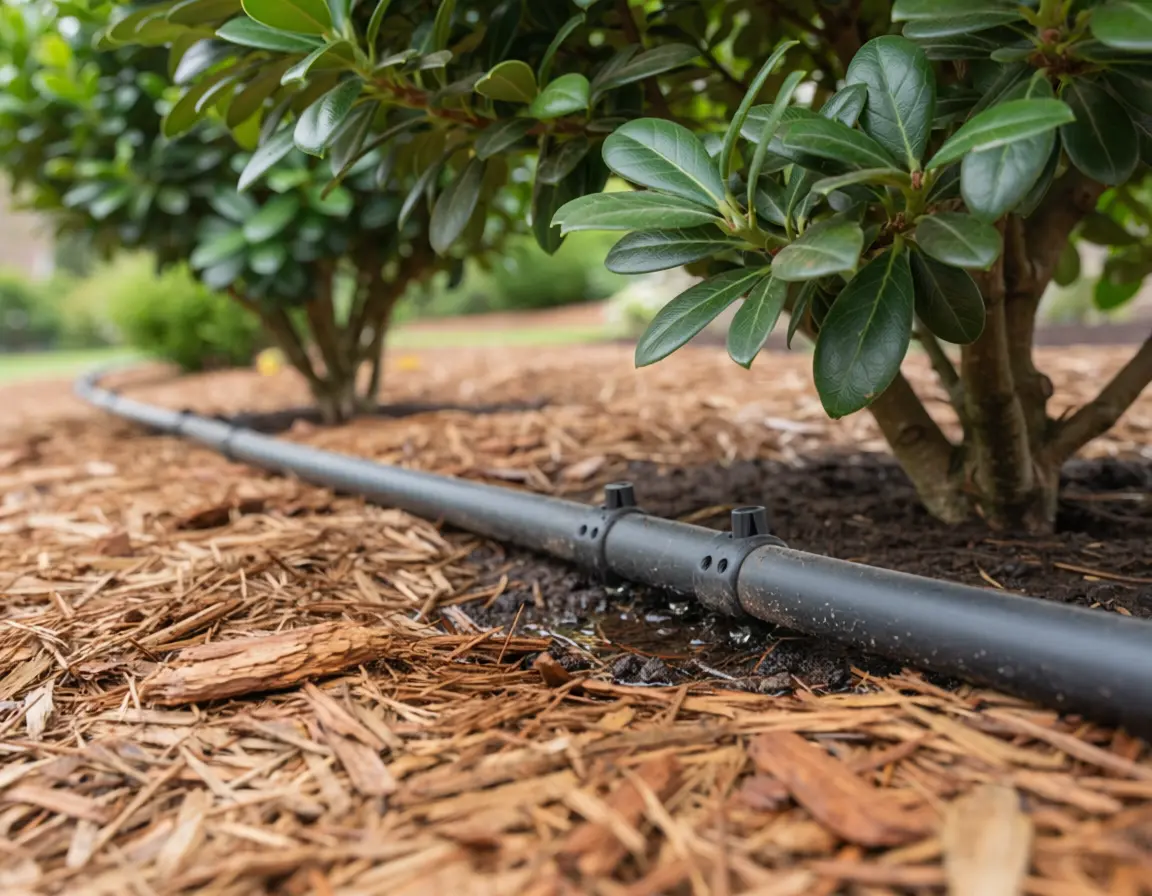
One of the biggest parts of low-maintenance landscaping is water management. Efficient irrigation helps plants stay healthy without wasting water or creating weak, overwatered areas.
Zone layout, controller settings, and proper coverage all matter. If the irrigation system is not working correctly, even the best landscape design will struggle. Routine checks and small adjustments go a long way.
Use clean edges and simple materials
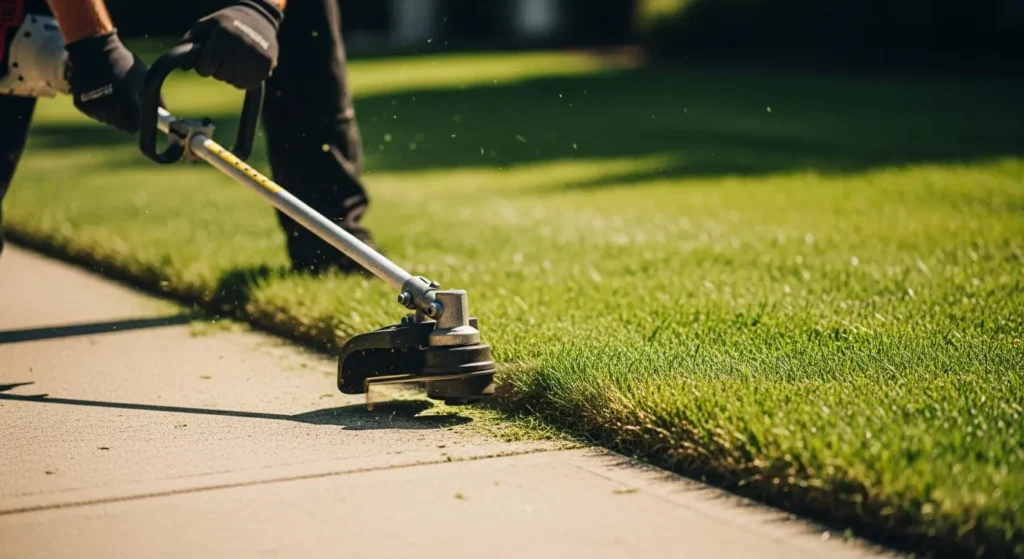
Low-maintenance landscapes still need structure. Crisp bed edges, well-placed rock or mulch, and durable hardscape features help the property look finished and intentional. They also reduce the amount of detail work needed to keep the site looking clean.
Simple materials often age better and require less constant attention than overly complex designs.
Plan for long-term upkeep
A low-maintenance landscape is not maintenance-free. It still needs seasonal cleanup, pruning, weed control, irrigation adjustments, and occasional refresh work. The difference is that a well-designed landscape makes those tasks easier and more predictable.
That matters for homeowners, HOAs, multifamily communities, and commercial properties that want to keep curb appeal high without stretching budgets.
Why low-maintenance landscaping adds value
A landscape that looks clean and functions well helps protect the property as a whole. It improves first impressions, supports long-term plant health, and reduces the risk of neglected areas dragging down the appearance of the site.
For many property owners in the Colorado Front Range, low-maintenance landscaping is not just about saving time. It is about making smarter long-term decisions.
Final thoughts
If you want a landscape that looks good without becoming a constant project, it starts with the right plan. Smart layouts, climate-appropriate plants, efficient irrigation, and simple materials can all help create an outdoor space that is easier to manage year-round.
Ground Up Exteriors helps property owners build and maintain landscapes that are practical, attractive, and designed for Colorado conditions.