Keeping properties show-ready in the Colorado Front Range isn’t about mowing once a week and hoping for the best. Altitude, sun, freeze–thaw cycles, wind, and fast-moving storms mean your program has to be consistent, documented, and tuned to the site. This guide explains what a modern landscape maintenance plan should include for Denver, Arvada, Thornton, Lakewood, Broomfield, Brighton, and nearby communities—plus how to turn routine work into predictable results and long-term asset protection.
Why landscape maintenance matters (beyond curb appeal)
A clean, consistent exterior does more than look good. It improves safety (clear sightlines, debris-free walks), protects turf and plant health (correct irrigation), reduces erosion and washouts (drainage oversight), and helps property teams control budgets by catching issues before they become emergencies. For HOAs, multifamily, and commercial sites, a proactive program supports occupancy, reviews, and brand perception.
Core components of a Front Range maintenance plan
A strong scope covers the five pillars below. If your current contract doesn’t address these, you’re paying for appearances—not outcomes.
- Mowing & Edging (Consistency First)
Set a cadence appropriate to growth and use (often weekly in season). Keep edges tight along sidewalks, curbs, and beds to prevent encroachment and seed spread. - Bed Care & Detail Work
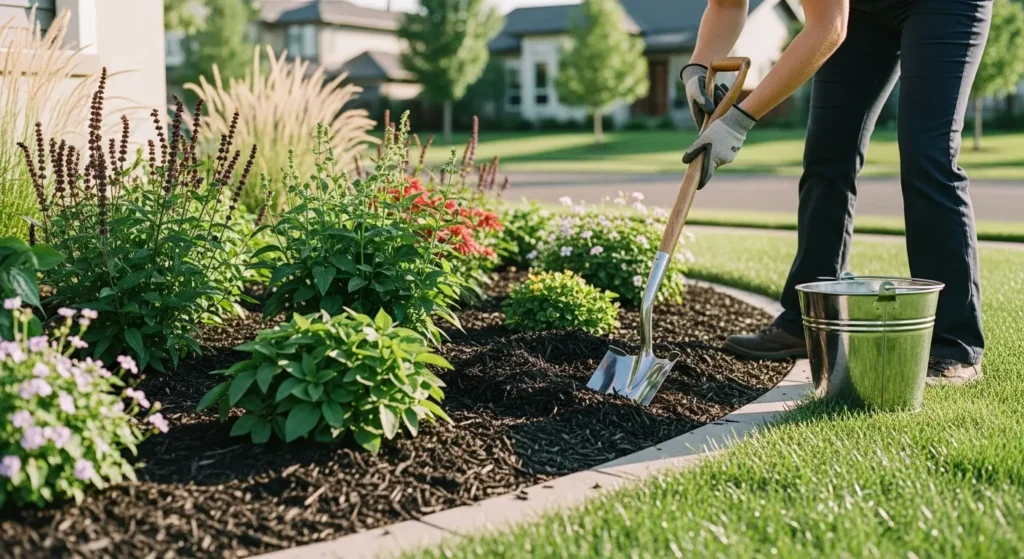
Routine weeding, light cultivation, mulch top-offs, and crisp bed lines. Prioritize entries, signage, and amenities where presentation matters most. - Tree, Shrub & Plant Care
Safety and health-first pruning to open sightlines, lift canopies over walks, and remove crossing or diseased wood. Replace failing plants before gaps spread. - Irrigation Oversight
Controller checks, zone tests, nozzle replacement, and leak detection. Small adjustments prevent turf loss, hot spots, fungus, and hard-to-fix bare areas. - Drainage & Hardscape Attention
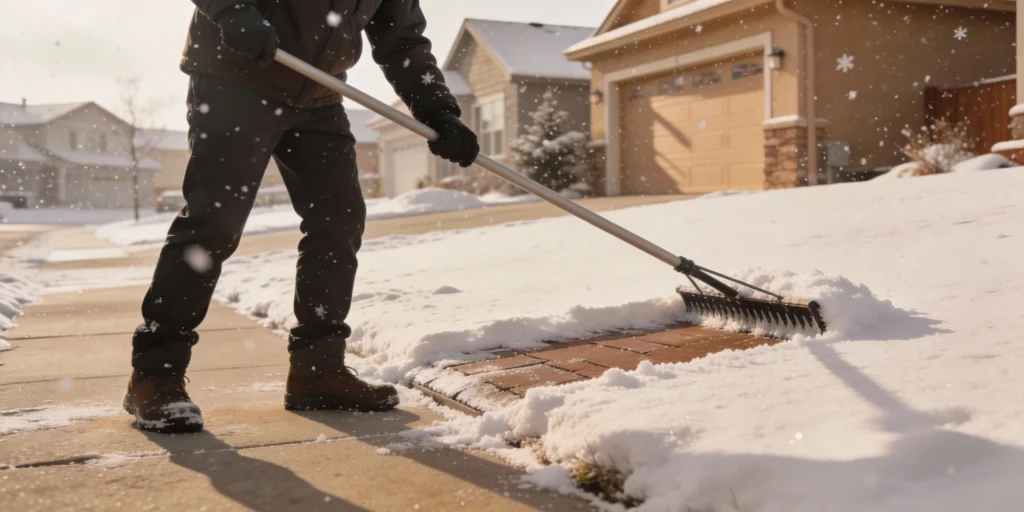
Inspect downspout paths, swales, and low spots; add extensions or pop-ups where needed. Keep walks and entries clear of debris to reduce slip hazards—critical in winter.
A simple seasonal cadence (what to expect)
Use this as a baseline; your property size, exposure, and use may call for more frequent service or zone-by-zone adjustments.
- Late Winter / Early Spring (Feb–Apr):
Preseason cleanup, bed prep, edge definition, mulch refresh, irrigation audit and startup, plant replacement planning. - Growing Season (Apr–Sep):
Weekly mowing/edging, bed care, pruning cycles, irrigation tuning, litter patrol, storm check-ins, summer color installs if applicable. - Fall (Sep–Nov):
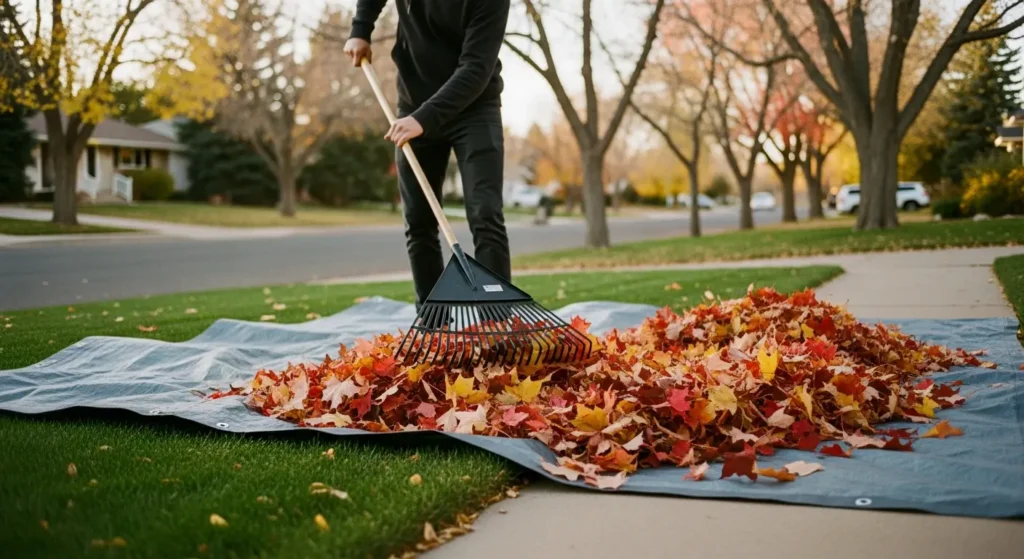
Leaf management, last pruning rounds, perennial cutbacks, pre-winter irrigation adjustments, erosion watch (post-storm), winter annuals where desired. - Winter (Nov–Jan):
Low-growth inspections, debris removal after wind events, drainage and downspout routing to prevent ice sheets, planning and budgeting for spring improvements.
Documentation: the difference between “maintenance” and “management”
If you manage boards or multiple stakeholders, photo-documented reporting is essential. A good report shows:
- Date-stamped photos by area
- Tasks completed and notes
- Risk & safety flags (trip hazards, visibility issues, pooling)
- Forward-looking projections with budget ranges for the next 3–12 months
This keeps everyone aligned, speeds approvals, and prevents “surprise” expenses.
Irrigation tuning: small changes, big results
Water management is where many Denver-area properties lose money. Common fixes that pay off:
- Swap mismatched nozzles for even coverage
- Lower heads set too high to stop scalping and overspray
- Reprogram runtimes by zone exposure (south/west vs. north/east)
- Add check valves to prevent low-end puddling
- Install or repair rain sensors/flow monitors where appropriate
These tweaks protect turf, reduce waste, and minimize mud at high-traffic entries—key for multifamily and retail pads.
Drainage details that prevent headaches
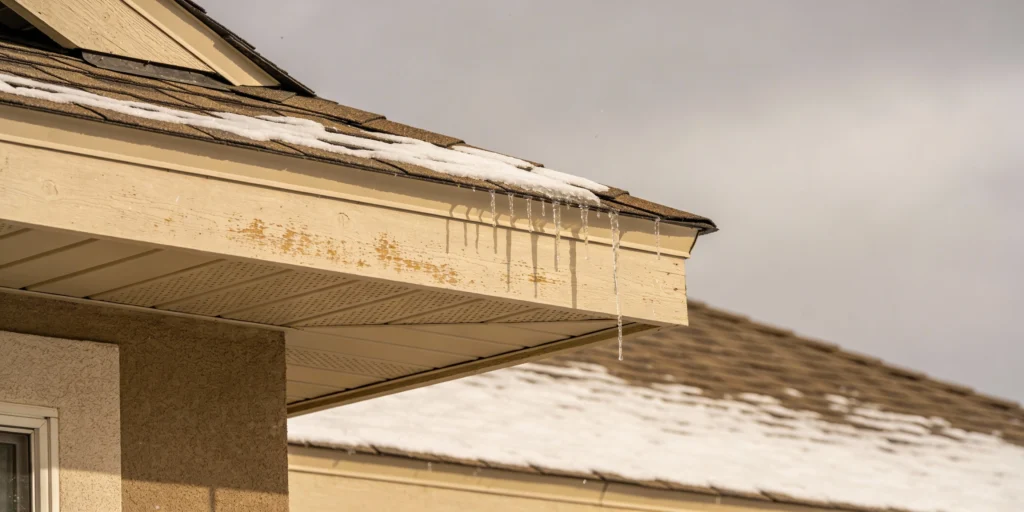
Downspouts that dump near walks lead to icy hazards in winter and washouts after summer storms. Simple, low-cost fixes include extensions, hinged elbows, and short, buried lines to pop-ups in the lawn. For chronic pooling, consider re-grading a shallow swale or adding rock checks to slow flow.
Signs you need a better maintenance plan
- Repeated complaints about messy entries or weeds around signage
- Turf thinning or bare arcs near heads (coverage issues)
- Water pooling at walks or downspouts after storms
- Overgrown shrubs blocking views, numbers, or drive aisles
- Invoices show tasks completed—but no photos or recommendations
- “Emergency” extras eating the budget by mid-season
If two or more of these sound familiar, it’s time to re-scope your landscape maintenance with outcome-based milestones and reporting.
How to scope by property type
- HOAs/Community Associations: Prioritize entries, clubhouse, pools, mail kiosks, and high-visibility corners. Set a monthly reporting cadence boards can approve quickly.
- Multifamily/Build-to-Rent: Add litter patrol, pet-area attention, and irrigation checks that cut muddy routes. Protect amenities that affect leasing.
- Commercial/Office/Retail Pads: Keep walks and approaches clean, signage visible, and drainage tuned at curb returns to reduce slip/fall risk.
Budgeting smart: good / better / best
Ask for tiered proposals so you can scale service to usage. For example:
- Good: Biweekly detail + monthly pruning cycles + seasonal cleanups
Better: Weekly detail + monthly reporting + irrigation tuning
Best: Weekly detail + biweekly bed care + monthly reporting + quarterly forecasting + drainage improvements
Transparent tiers make it easy to defend budgets with clear outcomes.
What to expect when you hire Ground Up Exteriors
Our program focuses on consistency, water management, and documentation. Crews arrive on schedule, leave sites tidy, and provide time-stamped photo proof. Reports recap what was done, what we saw, and what’s next—so property managers and boards can make decisions quickly without chasing information. The result: cleaner entries, safer walkways, healthier plantings, and fewer emergency calls.