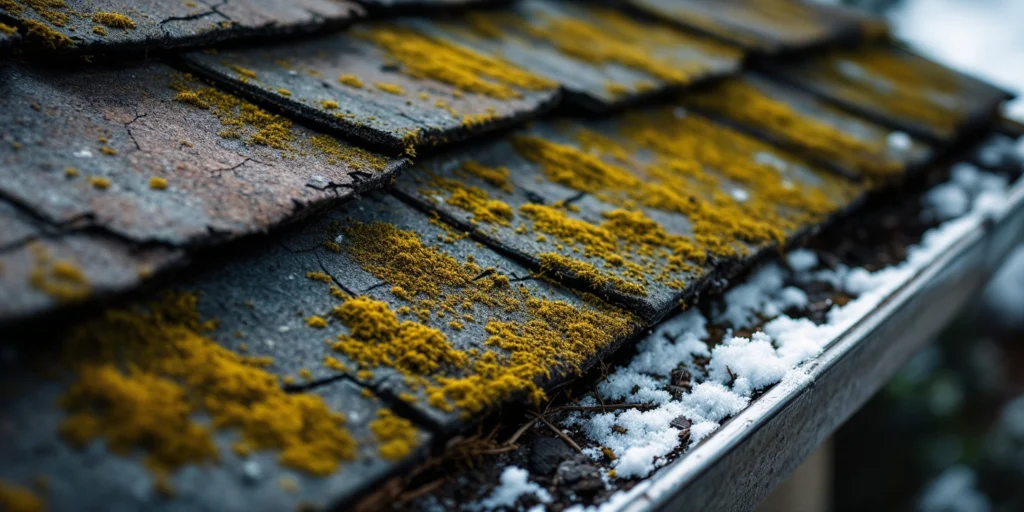
Drafty rooms, cold glass, and rising utility bills are common winter complaints across the Colorado Front Range. Replacing windows can improve comfort and cut heat loss—but the details matter. This guide explains key efficiency terms in plain language and why a professional installation is as important as the window you choose.
The quick glossary
- Low-E glass: Clear, microscopic coatings that reflect heat back toward its source. In winter, Low-E helps keep indoor warmth inside; in summer, it can reflect outside heat.
- U-Factor: How easily heat moves through the entire window (lower = better insulation).
- SHGC (Solar Heat Gain Coefficient): How much solar heat passes through (lower = less heat gain).
- Air leakage: How much air the unit allows through joints/seals (lower = fewer drafts).
Why Denver homes benefit
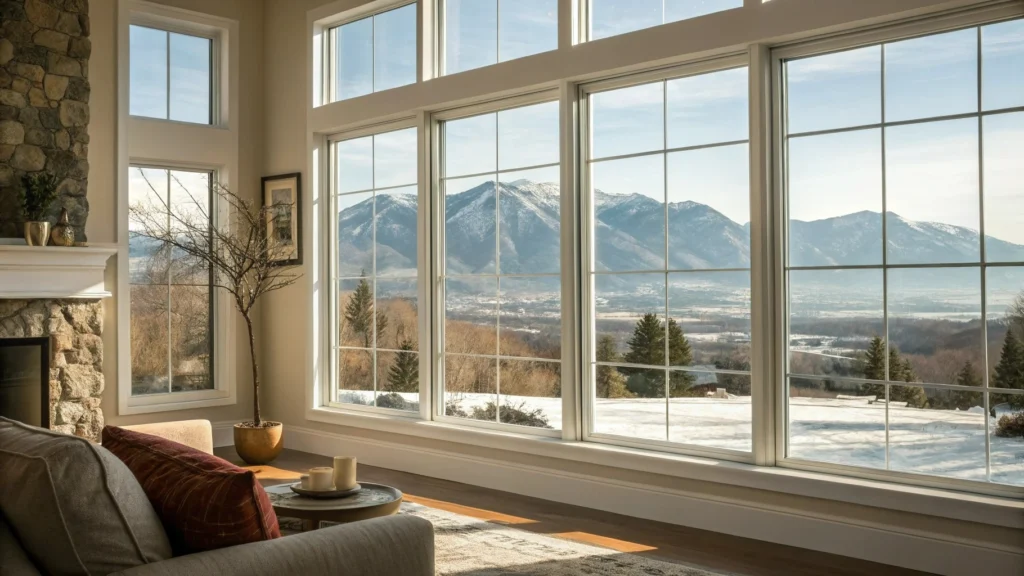
At altitude, strong sun and cold air can fight each other on the same day. Quality Low-E glass reduces radiant heat loss on winter nights while controlling solar gain on bright afternoons. Pairing the right glass package with your home’s orientation (south vs. north-facing rooms) helps you stay comfortable without over-conditioning.
Signs it’s time to replace
- Persistent drafts near closed windows
- Condensation or ice inside double-pane units (failed seals)
- Sticking or warped sashes that won’t lock smoothly
- Noticeable road noise or uneven temperatures room-to-room
Installation > specs on paper
Even the best window underperforms if the opening is out of square, the flashing is wrong, or insulation around the frame is sloppy. A proper install for Front Range weather includes:
- Accurate measurement and squaring so the unit seats without stress or gaps.
- Sill pan or back dam to redirect incidental water outward.
- Flashing & weather barrier integration so water can’t sneak behind the cladding.
- Insulation at the perimeter (low-expansion foam) to stop hidden drafts.
- Clean interior/exterior trim for a tight, durable finish.
Picking glass and frames for your home
- Rooms with strong sun (south/west): Choose Low-E tuned to limit summer heat gain while preserving winter light.
- Cool, shaded rooms (north/east): Prioritize lower U-Factor for insulation.
- Noise concerns: Consider laminated glass or composite frames to reduce sound transfer.
- Material choices: Vinyl and composite are popular for value and low maintenance; wood-clad adds warmth but needs upkeep; aluminum is durable for specific applications.
Budgeting and timeline
Most replacements for a typical single-family home complete in one to two days once units arrive. Ask for a clear scope: number of openings, interior/exterior trim details, paint or stain, and any siding tie-ins. Get a good/better/best comparison so you can weigh glass packages and frame types against comfort and cost.
What to expect on install day
Crews will prep rooms, remove old sashes/frames, set new units plumb and level, insulate the perimeter, and integrate flashing with your weather barrier. Expect some outdoor and indoor access. A tidy contractor should protect flooring and surfaces, verify smooth operation and locks, and leave the site clean.
Small upgrades that amplify results
- Air sealing elsewhere: Weather-strip doors, seal attic bypasses, and close gaps at outlets on exterior walls.
- Window coverings: Cellular shades improve nighttime insulation.
- HVAC tune-up: Balanced airflow lets you feel the comfort gains more evenly throughout the home.
The comfort test
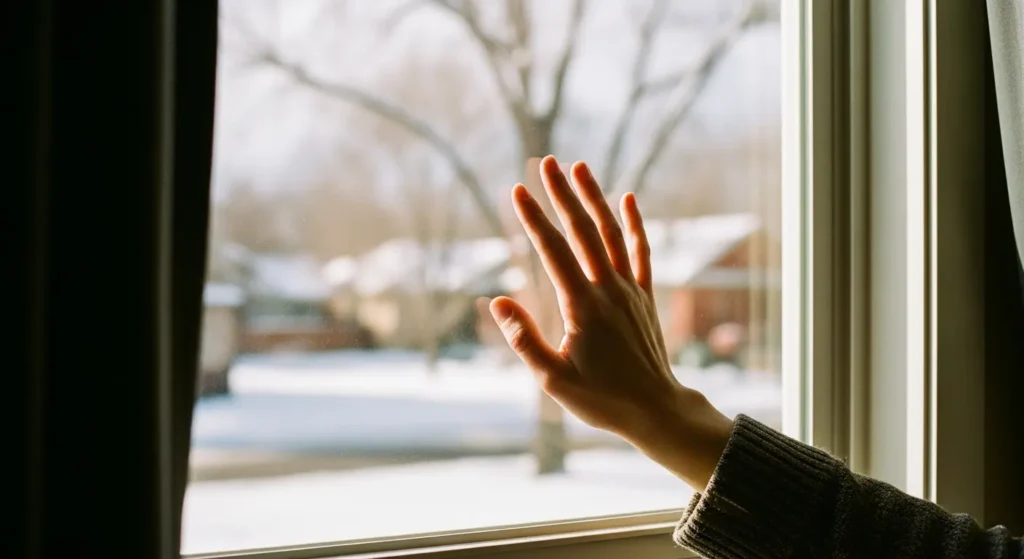
After installation on a cold day, sit near the new window for a few minutes. You shouldn’t feel drafts, the glass should be noticeably warmer than before, and noise should drop. That’s how you know the product-and-install combo is doing its job.
Ready to cut drafts and boost comfort?
Ground Up Exteriors measures, orders, and installs energy-efficient replacement windows—with proper flashing, insulation, and finish work—for homes across the Colorado Front Range.