A winter roof leak can escalate fast in the Colorado Front Range. Sunny afternoons melt rooftop snow, then overnight freezes push water into tiny gaps around flashing and penetrations. If you spot a stain on the ceiling, a drip near a light fixture, or damp insulation, use this step-by-step guide to contain damage and prep for a professional repair.
First, make the area safe
Turn off power to any light fixtures in the wet zone and move electronics, rugs, and furniture. Place a bucket or bin beneath the leak and lay towels or a plastic drop cloth around the area. If the ceiling is bulging, carefully pierce a small hole with a screwdriver to relieve pressure and direct water into the container—controlled drainage prevents a wider collapse.
Find the wet path (without climbing on ice)
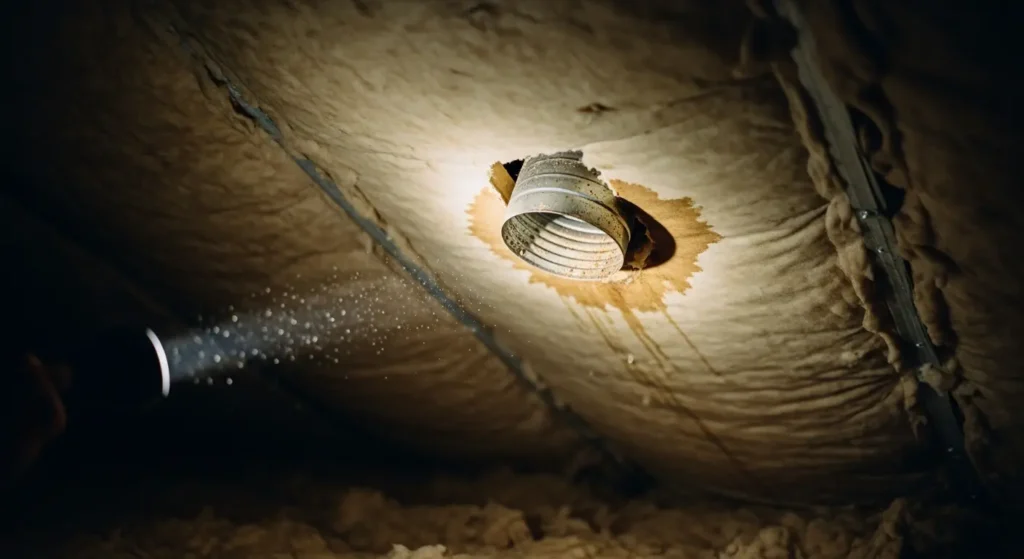
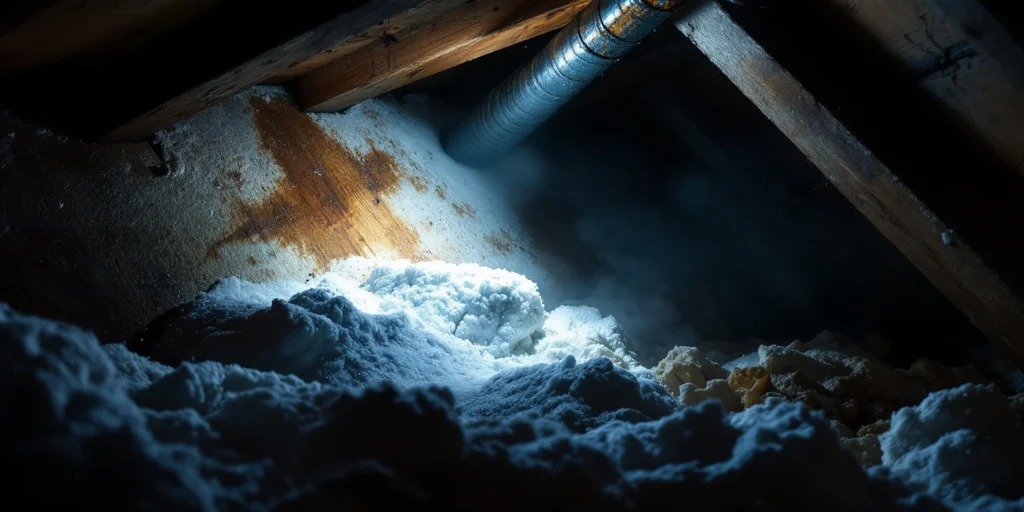
In winter, stay off the roof. From the ground, scan the roofline for icicles at a single spot, stained fascia, or heavy melt over a valley or chimney. Indoors, check the attic with a flashlight. Look for dark sheathing, damp insulation, or “shiners” (nails with frost). Trace moisture up-slope; leaks often start at flashing, vents, valleys, satellite mounts, or skylight curbs rather than in the open field of shingles.
Short-term containment you can do today
- Create airflow. In the attic, gently pull back wet insulation (set it aside to dry) and promote airflow so the sheathing can dry out.
Catch, don’t spread. Use a bucket or pan and swap towels frequently. A fan on low can help dry the room—avoid blasting heat directly at the ceiling. - Reduce indoor humidity. Run bath fans during showers and the range hood while cooking. Keep humidifiers modest to minimize frost in the attic.
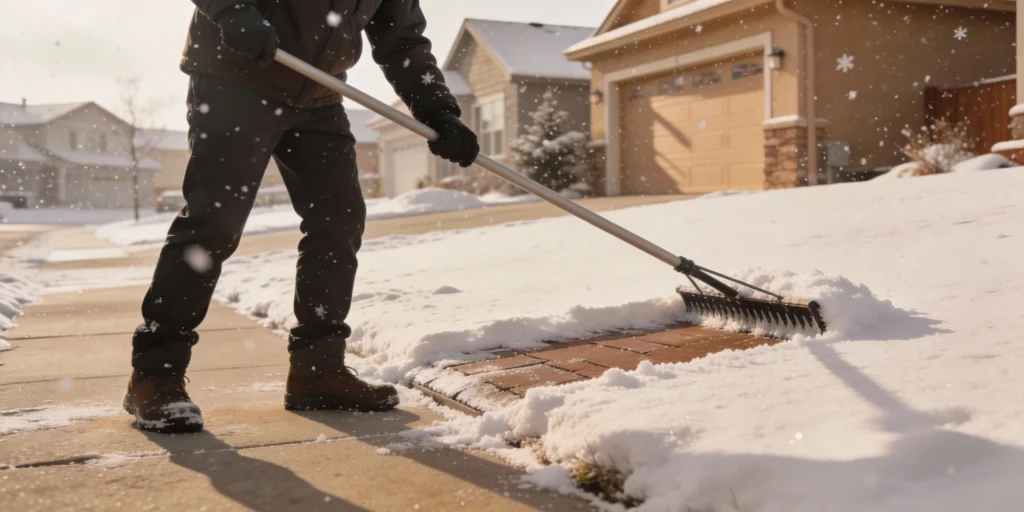
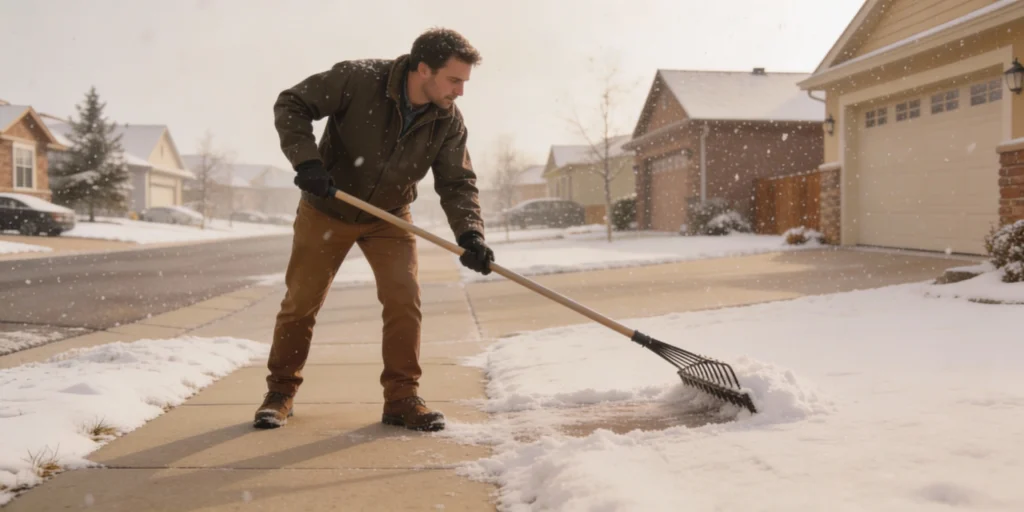
- Rake snow from the ground (if safe). A roof rake can clear the first 3–4 feet above eaves after storms, lowering the melt load that feeds the leak.
What not to do
Don’t chip ice off shingles or gutters—tools can rip granules and deform metal. Don’t pour hot water on eaves or stuff salt socks onto the roof; both can damage finishes and landscaping. Don’t “paint over” a stained ceiling until the source is fixed and materials are dry.
When a temporary tarp makes sense
If a large section is actively leaking and access is safe (e.g., a pro with winter gear), a temporary tarp over the suspected source can buy time until permanent repairs. Proper tarping overlaps the ridge or extends well upslope of the leak path and is sandbagged or fastened without creating new penetrations in vulnerable areas. For homeowners, waiting for a professional is usually the safest call in icy conditions.
Permanent fixes (what your contractor will evaluate)
- Flashing upgrades. Chimneys, skylights, satellite mounts, and sidewalls often need new step, counter, or apron flashing with sealed transitions.
- Underlayment and ventilation. Repairs may include ice/water protection at eaves/valleys and adjustments to intake/exhaust ventilation to reduce melt-refreeze cycles.
- Shingle/valley repairs. Brittle or wind-lifted shingles and open valleys get replaced or re-sealed to spec.
- Gutter and drainage tune-up. Clear, pitched gutters and proper extensions keep meltwater moving away from the house.
Insurance basics
Document conditions with photos: ceiling stains, buckets in place, attic moisture, and any visible exterior signs. Keep receipts for emergency mitigation (towels, fans, professional tarping). Your contractor’s inspection notes and photos can support a claim when storm-related damage is involved.
Plan the follow-through
After the immediate repair, schedule a spring check. Your roof will face wind and hail again; verifying flashing, underlayment protection, and ventilation now helps you avoid repeat leaks. If your roof is near end-of-life or shows widespread wear, compare a targeted repair against a planned replacement to control costs and timing.
Need triage today and a lasting fix tomorrow?
Ground Up Exteriors provides winter leak mitigation and code-compliant repairs across Denver, Arvada, Thornton, Lakewood, Broomfield, Brighton, and nearby Front Range communities.