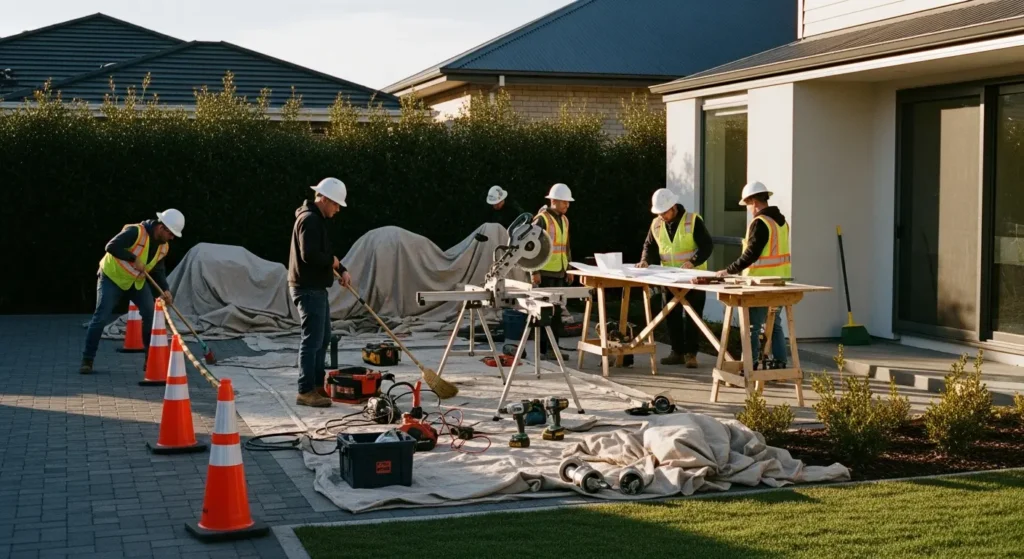
Winter light and cold air make roof issues easier to spot from the ground. Spend ten minutes now to plan repairs before spring hail and wind.
What to check outside (from the ground)
- Shingle condition: Look for curling, missing tabs, or bare-looking patches where granules are thin.
- Flashing & transitions: Scan chimneys, skylights, and valleys for gaps or lifted metal.
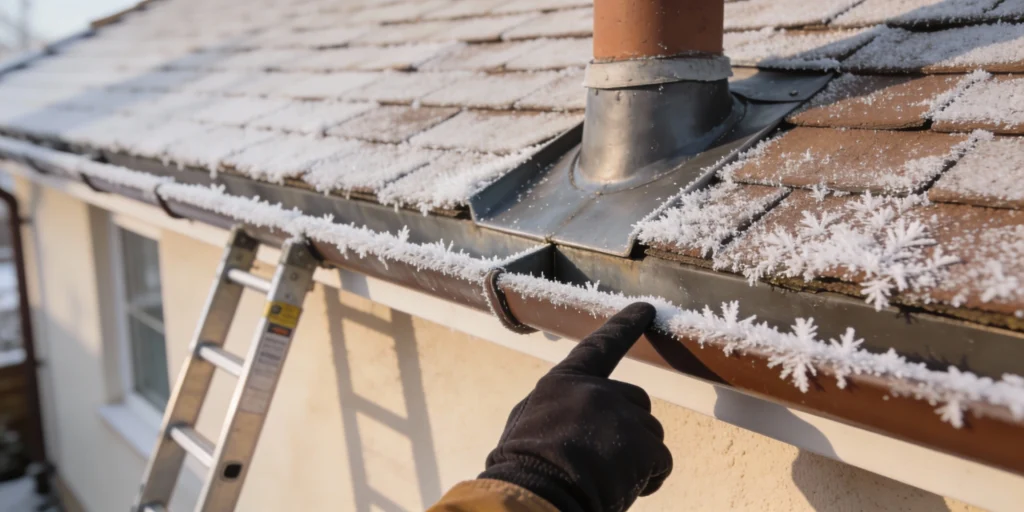
- Gutters & eaves: Icicles, staining, or overflow marks suggest clogs or poor pitch.
- Vents: Make sure intake and exhaust vents aren’t crushed or blocked by debris.
What to check in the attic
- Moisture signs: Dark stains on sheathing, damp insulation, or frost on nails point to leaks or poor airflow.
- Light leaks: Daylight around penetrations can mean failed flashing.
- Airflow/temperature: Stuffy or unusually warm attics in winter often signal ventilation issues.
Decide: repair or replace?
- Repair if damage is localized and the rest of the system is sound.
- Replace if problems are widespread or leaks keep returning. Use the project to improve ventilation, flashing, and underlayment.
Want a clear plan?
Book a winter roof inspection with Ground Up Exteriors. We’ll document conditions and outline the smartest path—repair now or schedule a spring replacement.