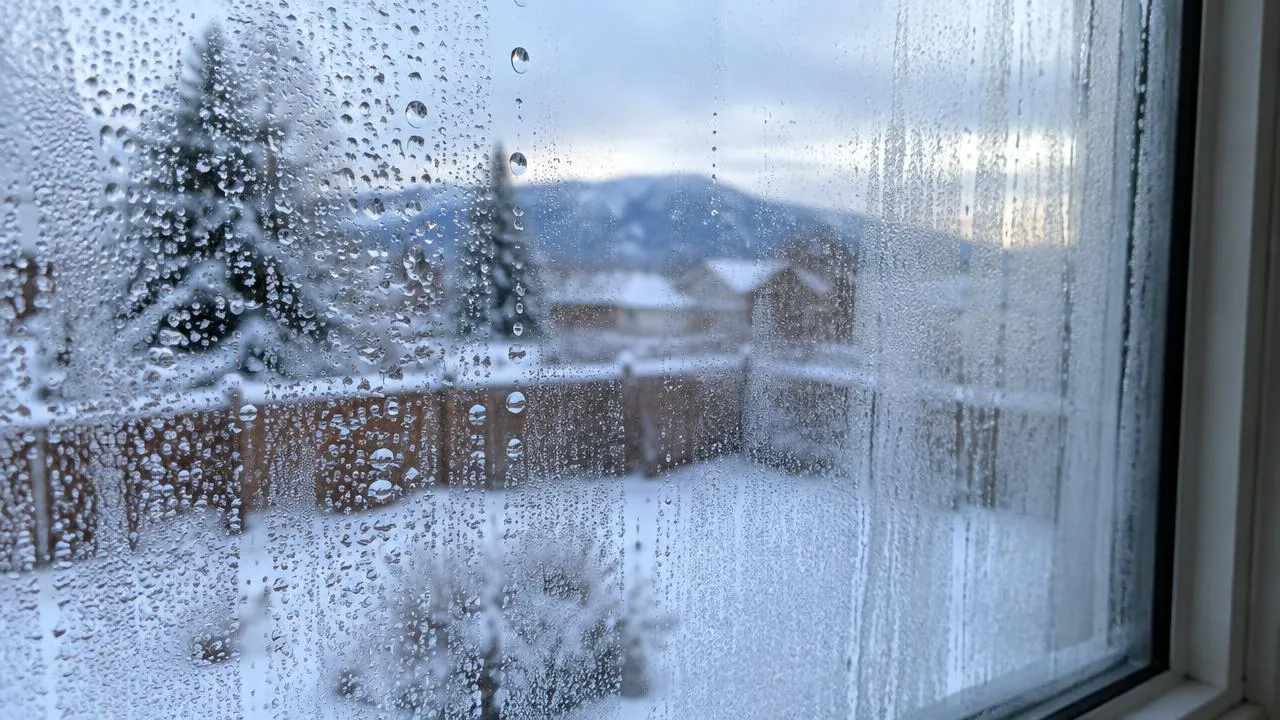
Colorado winters bring freezing temperatures, snow, wind, and sudden weather changes. While homeowners often focus on roofing and gutters before winter, siding deserves just as much attention.
Your home's siding helps protect the exterior walls from moisture, wind, and everyday weather exposure. If siding is damaged or poorly sealed, winter conditions can make existing problems worse.
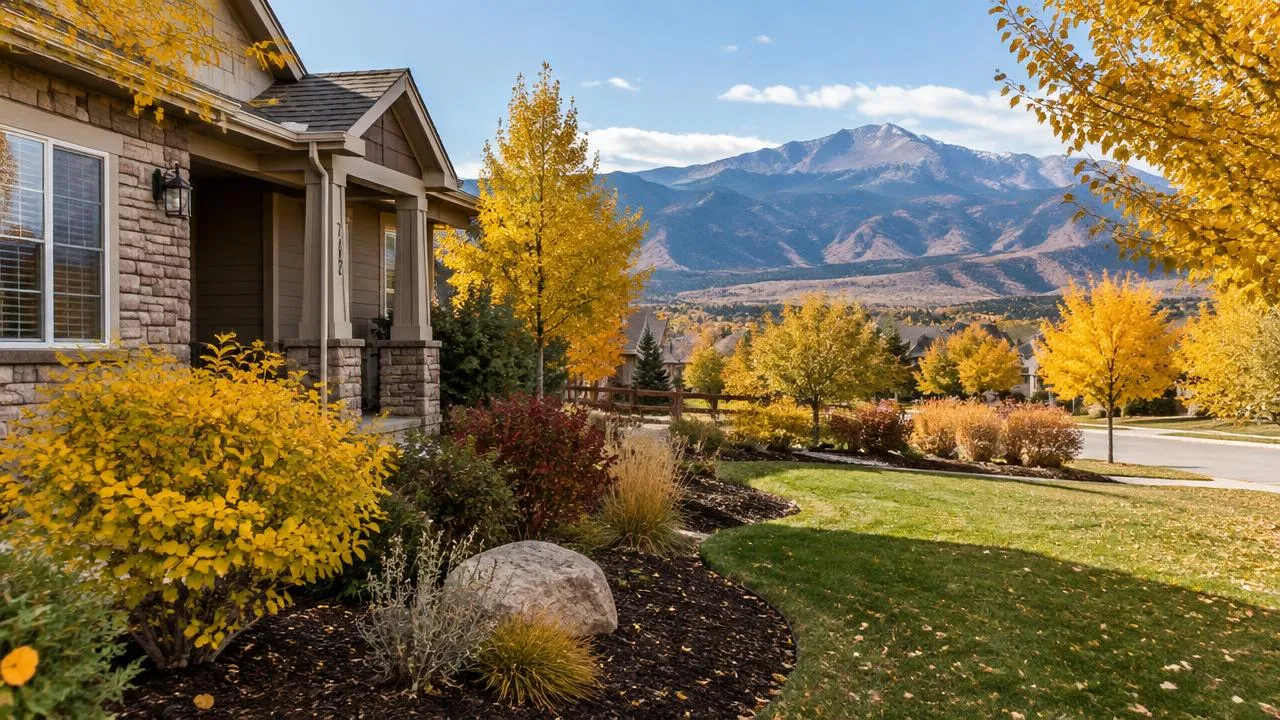
For homeowners across the Colorado Front Range, October is a good time to check siding before colder weather arrives.
Why Siding Maintenance Matters Before Winter

Siding serves as an important protective layer around your home. Along with the materials underneath, it helps manage moisture and protect exterior walls from the elements.
When siding becomes loose, cracked, or damaged, water may find its way behind the surface. Repeated freezing and thawing can make existing moisture-related problems more difficult to address.
A simple fall inspection can help identify areas that may need professional attention.
1. Look for Cracks, Gaps, and Loose Panels
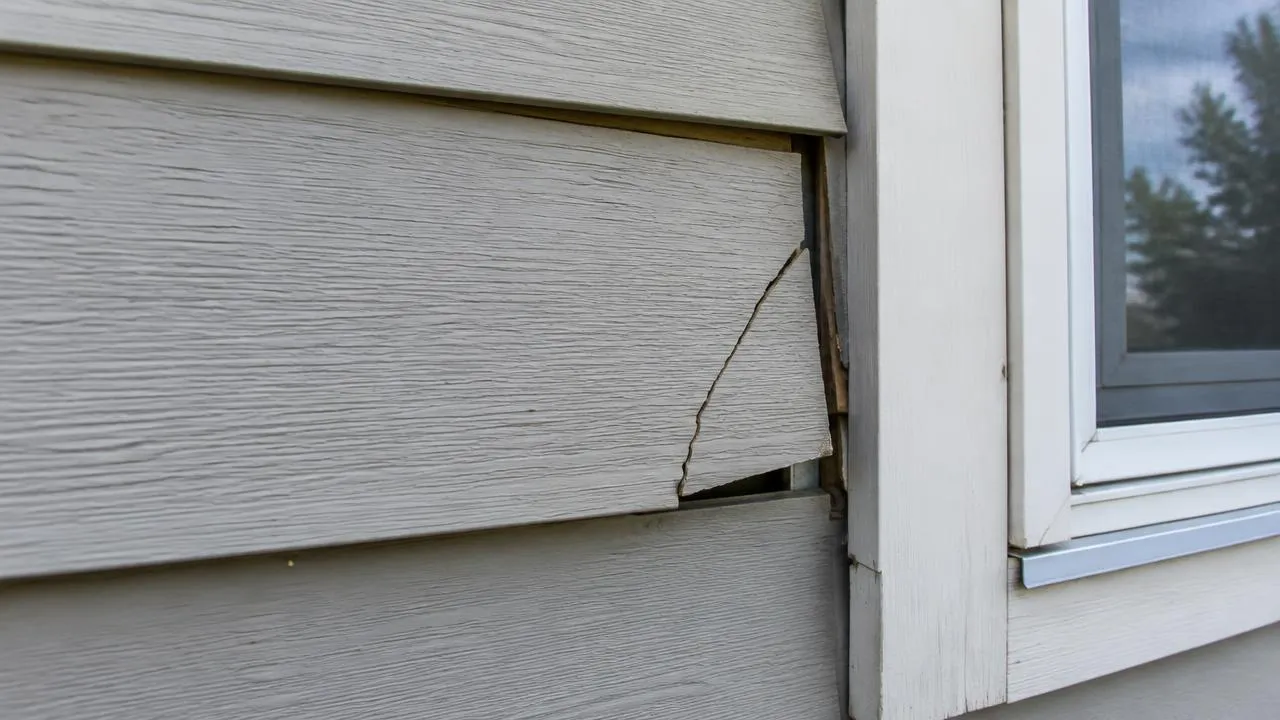
Start by walking around your home and looking closely at the siding.
Pay attention to corners, areas around doors and windows, and places where siding meets other exterior materials.
Common concerns include:
- Cracked or broken siding panels
- Loose or shifting sections
- Visible gaps around trim
- Warped or buckled siding
- Areas where the underlying material is exposed
Small issues may be repairable. However, widespread damage or repeated problems may indicate that siding replacement is worth considering.
2. Check for Signs of Moisture Damage
Moisture is one of the biggest concerns when preparing siding for winter.
Look for water stains, discoloration, soft trim, peeling finishes, or areas that remain damp longer than surrounding surfaces.
These warning signs do not always mean the siding itself is failing. The source may involve flashing, gutters, window connections, or another exterior component.
Identifying the cause is important before completing repairs.
3. Inspect Caulking and Exterior Seals
Caulking and sealants help protect certain joints and transitions around a home's exterior.
Over time, these materials can crack, shrink, or separate from the surface. When that happens, moisture and air may enter areas that should remain protected.
Check around windows, doors, trim, and other sealed connections.
Not every siding joint should be caulked, since some are designed to drain or allow movement. A professional can determine which areas need resealing.
4. Check Gutters and Roofline Connections
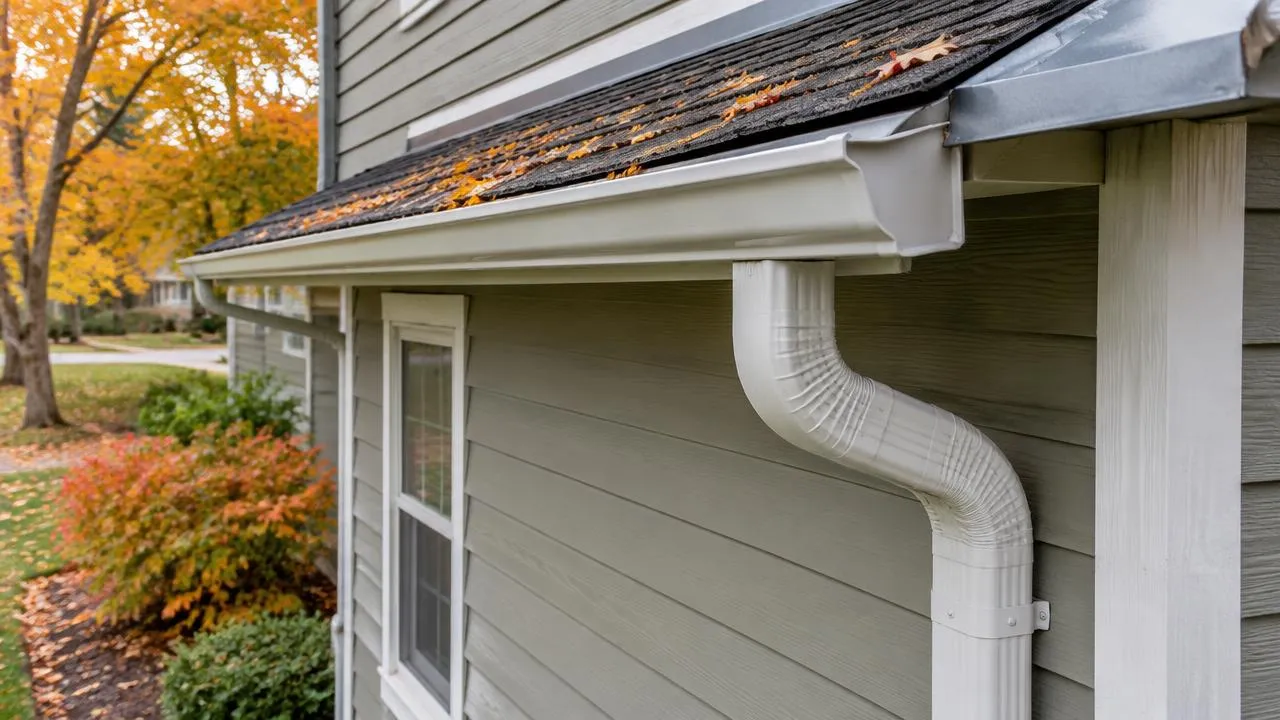
Siding problems sometimes begin above the walls.
Overflowing gutters, damaged flashing, or poorly directed downspouts can cause water to run repeatedly across siding and trim.
Before winter, make sure your gutters are properly attached and that water is directed away from the building.
Addressing roofing and gutter problems can also help protect the siding underneath.
5. Decide Whether Repairs or Replacement Make Sense
Not every siding concern requires a full replacement.
If the damage is limited to a small area and the surrounding materials are in good condition, a targeted repair may be appropriate.
However, siding replacement may be worth considering when damage is widespread, moisture has affected underlying materials, or ongoing repairs are becoming expensive.
A professional siding assessment can help homeowners compare their options and prioritize the most important work.
Prepare Your Colorado Home for Winter
Taking care of siding before winter helps protect your home's exterior and reduce the chances of dealing with unexpected problems during colder weather.
Ground Up Exteriors provides siding installation and exterior improvement services across Denver, Boulder, Thornton, Loveland, and surrounding Colorado Front Range communities.
Whether you have noticed damage or are considering an exterior upgrade, our team can help evaluate your siding needs.
Contact Ground Up Exteriors today to request a siding estimate and prepare your home for Colorado weather.