Exterior paint does more than improve curb appeal. It also helps protect your home or building from moisture, sun exposure, and everyday wear. In the Colorado Front Range, that protection matters even more. Strong UV exposure, wind, snow, and temperature swings can wear down painted surfaces faster than many property owners expect.
A small touch-up can fix isolated wear, but sometimes a bigger repaint is the smarter long-term move. So how do you know the difference?
A touch-up works when the issue is small and isolated
Touch-ups are usually a good option when the damage is limited to one area. This might include a few scuffs near an entry, minor peeling on a trim board, or a small section that has faded more quickly than the rest.
If the surrounding paint is still in good condition and the color match is close, a touch-up can help extend the life of the finish without the cost of repainting the whole surface.
A full repaint makes sense when wear is widespread
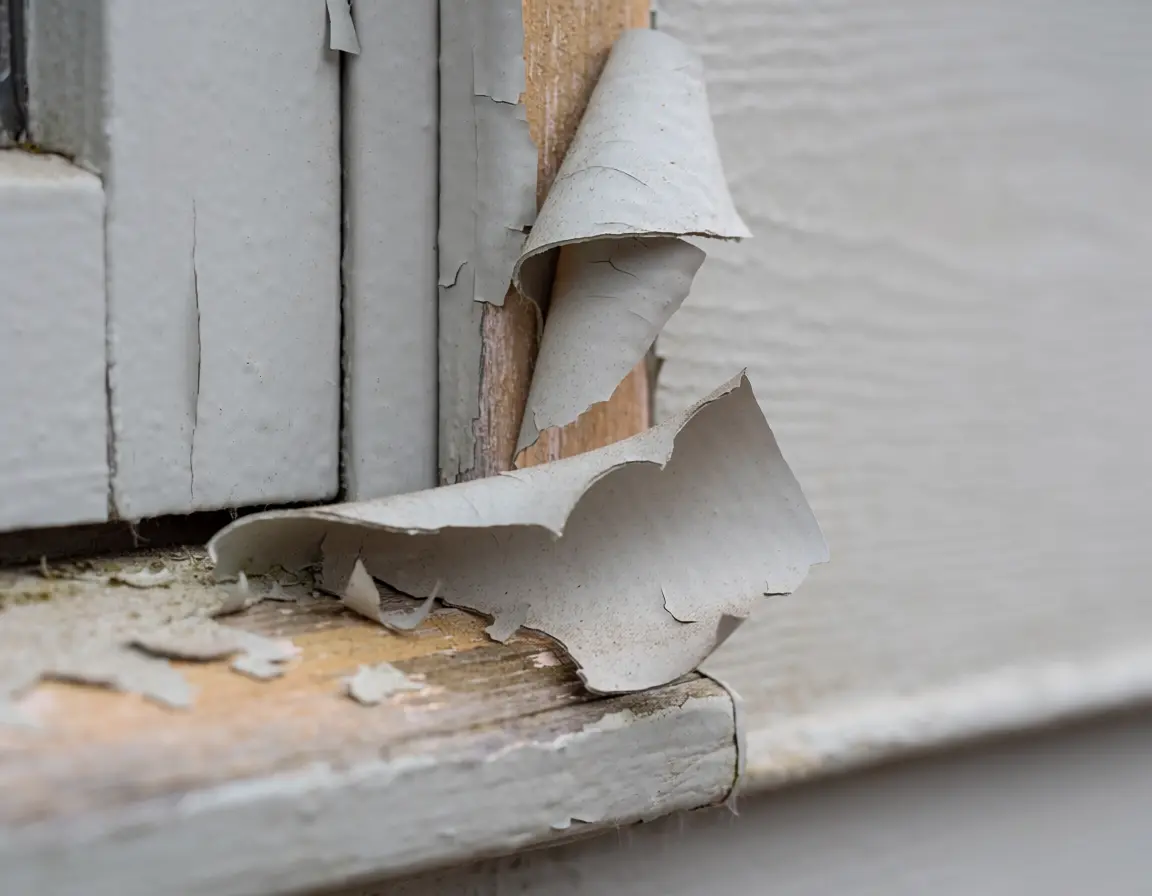
If paint is peeling, cracking, chalking, or fading in several areas, a touch-up may not be enough. You may fix one section, only to see more failures appear shortly after. This often means the coating has reached the end of its useful life or the surface needs broader prep work.
A full repaint creates a consistent finish and allows the surface to be cleaned, repaired, primed, and coated correctly. That matters if you want the work to last.
Watch for these common warning signs
Here are a few signs that exterior paint may need more than a simple touch-up:
- Large areas of peeling or blistering
- Faded color on multiple sides of the property
- Cracked caulking around trim or windows
- Bare spots where the surface underneath is showing
- Paint that looks chalky when touched
- Uneven appearance from past patch jobs
When you see several of these at once, a full repaint is usually the better investment.
Why prep matters just as much as paint
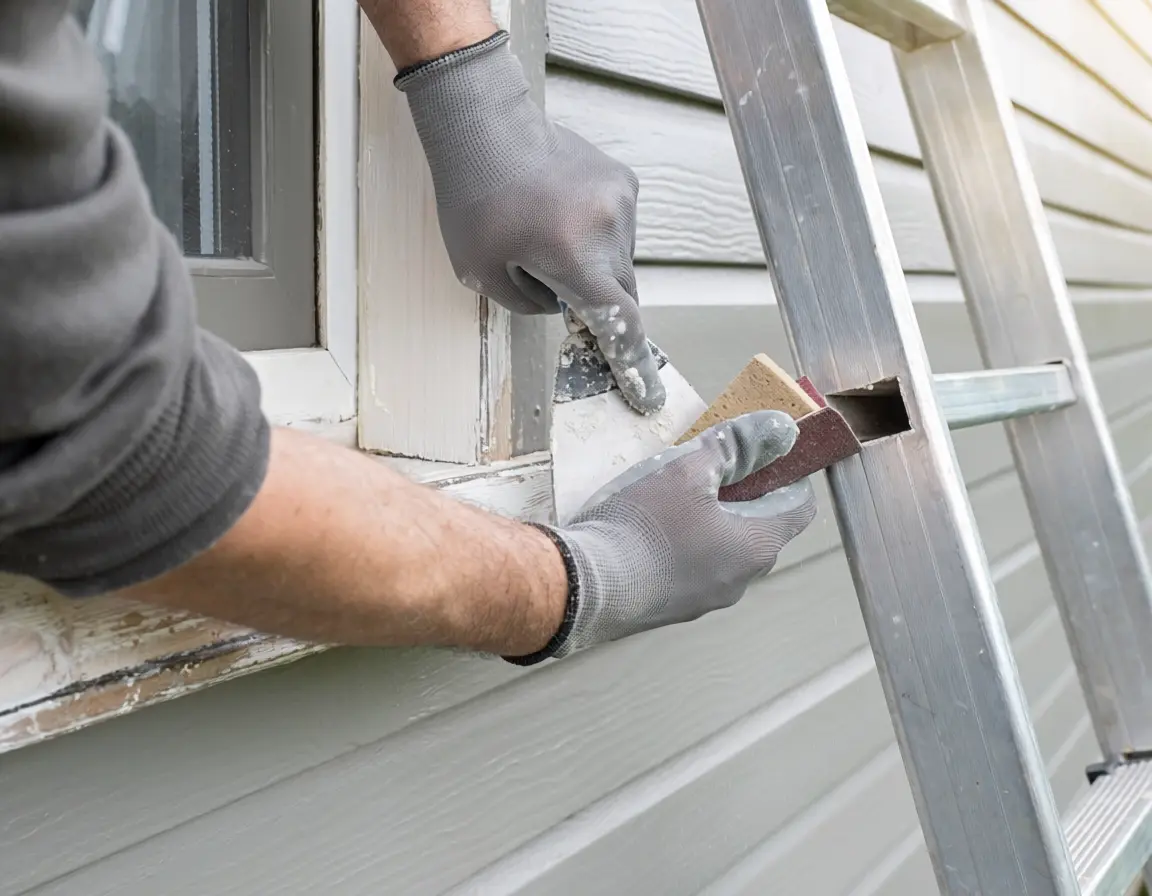
A quality paint job is not just about the final coat. Proper prep is what helps paint hold up in Colorado weather. That includes washing, scraping loose paint, sanding rough spots, replacing damaged trim, sealing gaps, and priming exposed areas.
Skipping these steps might save time in the short term, but it often leads to faster failure. If you are already seeing recurring issues, surface prep is likely part of the answer.
Colorado weather adds more stress to painted surfaces
The Colorado Front Range puts painted exteriors through a lot. Sun exposure can fade colors and dry out coatings. Wind pushes dirt and debris against the surface. Snow and freeze-thaw cycles test the paint's ability to seal and protect.
That is why exterior painting should be timed and handled with the local climate in mind. Choosing the right product and applying it over a properly prepared surface gives you better results.
Touch-up or repaint: which saves more money?
Some property owners delay a repaint because they want to save money. In some cases, that works. But if the surface is already failing in several areas, repeated touch-ups can become more expensive over time.
A full repaint gives the exterior a fresh, consistent finish and better overall protection. It can also improve curb appeal in a big way, especially for homes and properties that need to look well-kept year-round.
Final thoughts
If your exterior paint has a few isolated flaws, a touch-up may be enough for now. But if wear is showing up across multiple areas, it may be time to think bigger. A full repaint often delivers better value, better protection, and a cleaner finished look.
Ground Up Exteriors helps property owners across the Colorado Front Range decide when a touch-up makes sense — and when a full exterior paint project is the better next step.