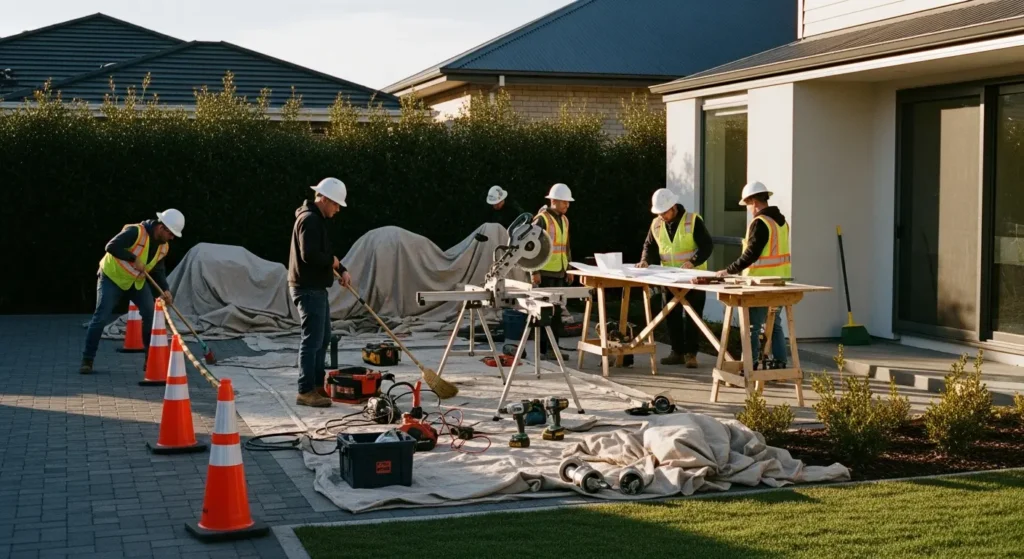
Colorado Front Range weather is tough on roofing—intense sun, wind, hail, and freeze–thaw cycles. In the Denver metro, small issues can become leaks fast. If you’re noticing wear or you’ve recently had a storm, a simple roof inspection can help you decide whether a targeted repair or a full roof replacement makes more sense for your budget, timeline, and peace of mind.
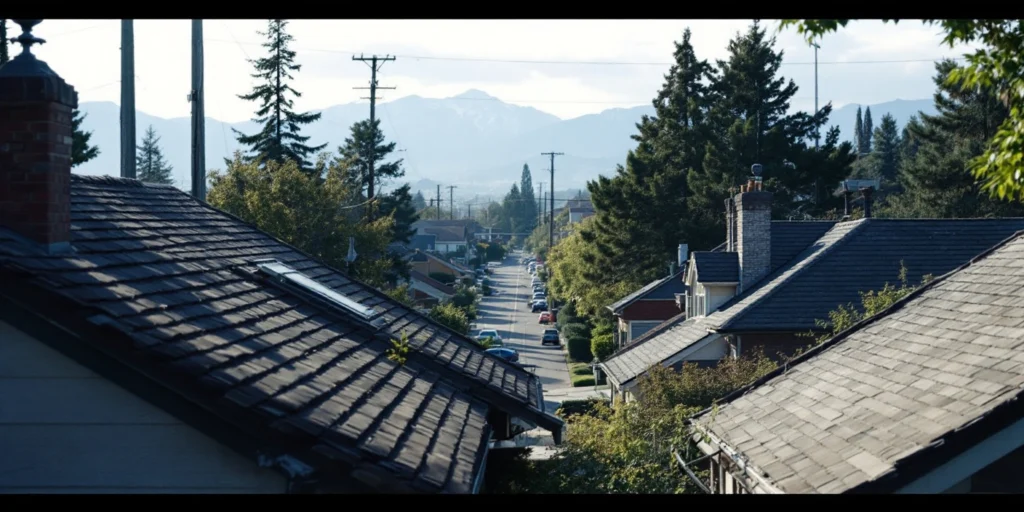
7 common signs your roof is due
- Widespread shingle wear
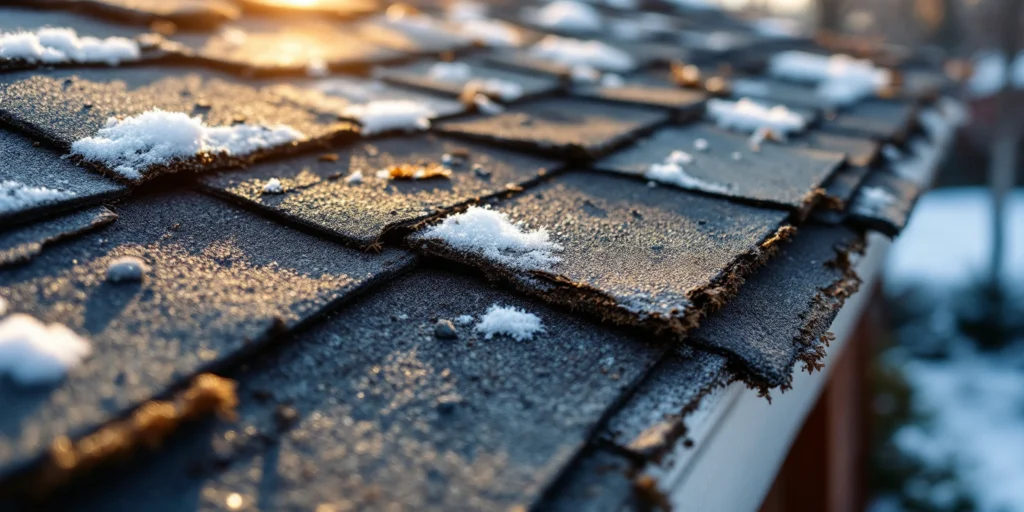
Missing granules, curling edges, or brittle shingles across large areas point to age, UV exposure, and diminished protection. - Active or recurring leaks
Stains on ceilings, wall discoloration, or damp insulation suggest moisture is getting past your roof covering or flashing. - Soft decking underfoot
Spongy areas indicate compromised sheathing—often from prolonged leaks—requiring more than surface-level fixes. - Damaged or loose flashing
Gaps at chimneys, skylights, and valleys invite wind-driven rain. If many flashing details are failing, replacement may be smarter. - Storm or hail impact
Dented vents, bruised shingles, or widespread granule loss after a storm can shorten service life and lead to early leaks. - Ventilation issues
Excess attic heat or frost indicates poor airflow. Roof replacement is a chance to correct ventilation and extend shingle life. - End-of-life age
If your roof is at or beyond its expected service window—and repairs are frequent—replacement brings better reliability and resale appeal.
Repair vs. replacement: a quick decision guide
- Choose repair when damage is localized, components are otherwise sound, and shingles still have service life left.
- Choose replacement when issues are widespread, you have recurring leaks, or multiple systems (shingles, flashing, underlayment, ventilation) need attention at once.
- Plan upgrades (underlayment, intake/exhaust ventilation, flashing, and gutter tie-ins) during replacement to help the new system last longer in Denver conditions.
What to expect during a professional assessment
A thorough inspection covers shingles, flashing, penetrations, valleys, attic ventilation, and visible deck condition. You’ll receive photos, a written scope, and clear next steps—often with “repair now,” “repair soon,” and “replace” options. The goal is to help you prioritize safety and budget with no surprises.
Prep your roof for Colorado weather
- Add or correct ventilation during replacement.
Verify underlayment coverage at eaves/valleys. - Ensure flashing transitions are upgraded and sealed.
- Confirm gutter and downspout tie-ins move water away from entries and foundations.
Ready for clarity?
Book a roof inspection with Ground Up Exteriors. We’ll document conditions and outline repair and replacement paths that fit Denver-area homes and budgets.